Amber glass bottles are the go-to packaging choice for essential oils, serums, and any light-sensitive cosmetic formula, because amber glass filters out the UV rays that degrade active ingredients. The global amber cosmetics glass packaging market was valued at $2.8 billion in 2025 and is projected to reach $4.6 billion by 2034, growing at a compound annual rate of 5.2%. If you are launching a skincare, aromatherapy, or fragrance line, the amber glass bottles you choose — size, finish, closure, and supplier — directly affect product stability, shelf appeal, and your unit cost. Here is everything you need to specify, customize, and source them.
Quick answer: Amber glass bottles are UV-protective glass containers used for light-sensitive products — essential oils, facial serums, tinctures, and premium cosmetics. They slow photodegradation and oxidation while projecting the “apothecary” quality buyers associate with premium brands. Common capacities run from 5 ml dropper bottles to 200 ml refill formats, and MOQs depend on whether you choose stock bottles or a custom mold.
|
$2.8B
Amber cosmetics glass packaging market, 2025
|
5.2%
Projected CAGR through 2034 (to $4.6B)
|
42.3%
Bottles’ share of the amber packaging market
|
Why Are Amber Glass Bottles Used for Essential Oils and Cosmetics?
Essential oils and active skincare ingredients are volatile: UV light can trigger photolysis and oxidation that change their color, scent, and potency. Amber glass blocks the wavelengths most responsible for that damage, which is why amber glass bottles for essential oils remain the professional standard across aromatherapy and skincare. The protection is substantial, though not absolute — as one supplier guide notes, amber glass reduces light exposure significantly, but storage and secondary packaging still matter.
Regulation is pushing the same direction. According to the Dataintelo amber cosmetics glass packaging market report, regulatory frameworks from the EU Cosmetics Regulation (EC 1223/2009) and the US FDA increasingly require protective packaging for photosensitive ingredients such as retinoids, vitamin C serums, and botanical extracts. Consumer research in the same report found that 73% of millennials and Gen Z buyers actively consider packaging material when purchasing cosmetics — and amber glass ranks among the most premium, environmentally conscious options they recognize.
“Amber glass bottles are not simply a brown-looking bottle. Amber color is meant to reduce the light influence on products that would be oxidized or damaged.” — Ajanta Bottle, Amber Glass Bottles Guide
Beyond protection, amber reads as “apothecary,” “clinical,” and “heritage” on the shelf — a positioning that fits active skincare and wellness lines perfectly. If you are selecting essential oil bottles for a new brand, amber is usually the safest starting point before exploring other glass colors.
Amber Glass Bottle Sizes: Which Capacity Fits Your Product?
Most buyers search by capacity — 10 ml, 15 ml, 30 ml, 50 ml, or 100 ml — because size should follow how the customer actually uses the product. The most common amber glass bottle sizes and their typical uses:
| Product type | Common size | Best dispensing | Why |
|---|---|---|---|
| Essential oils & concentrates | 5–15 ml | Dropper / orifice reducer | Potent actives, single-drop dosing, travel-friendly |
| Facial serums & facial oils | 20–30 ml | Glass dropper | Daily skincare, premium unboxing feel |
| Beard & hair oils | 50 ml | Spout / pump | Daily-use volume, easy pouring |
| Hair tonics & lotions | 100 ml | Pump | High-volume daily use |
| Tinctures, syrups & refills | 100–200 ml | Measuring cap / CRC | Compliance and refill economics |
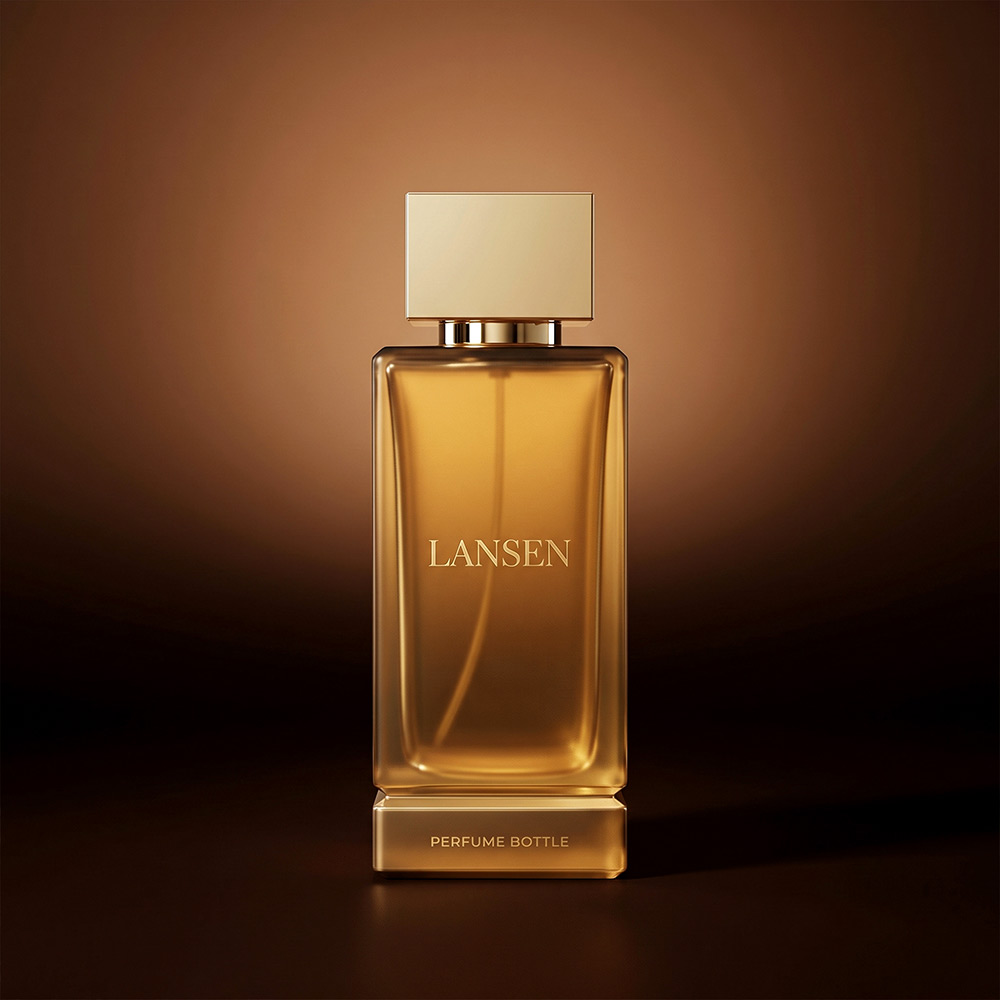
The sizing logic is simple: potent or expensive ingredients go in smaller bottles, while daily or family-use products need larger formats. For reference, 10 ml is roughly 0.34 fl oz, 30 ml about 1 fl oz, and 50 ml about 1.7 fl oz — conversions worth having ready when your retail market lists sizes in ounces. Trial and travel sizes in the 5–10 ml range also make effective discovery formats for new customers. Standard neck finishes such as 18/400, 20/400, and 24/410 determine which droppers, pumps, and caps fit — confirm the finish with your supplier before ordering closures. For scent-driven lines, a perfume bottle format may suit you better than a dropper style, so it is worth comparing both.
Amber Glass Dropper Bottles and Closure Options
If your product is dispensed drop by drop — serums, tinctures, facial oils — amber glass dropper bottles with a pipette give the precision dosing and premium feel buyers expect. Closure selection is where most sourcing mistakes happen, so match the dispensing format to the product:
- Screw cap — basic storage and non-dispensing liquids
- Dropper (pipette) — controlled dosing for serums and tinctures
- Orifice reducer — pours oil in drops without a pipette
- Pump — thicker oils and lotions (check viscosity compatibility)
- Sprayer — mists, toners, and hair sprays
Three details decide whether a closure leaks: neck finish (thread type and dimensions), liner material (chemical compatibility with oils), and torque consistency at the filling line. Test filled samples upright, inverted, and after vibration simulation before committing to a bulk order — most leak complaints appear only after transit, not in the office.
How to Customize Amber Glass Bottles for Your Brand
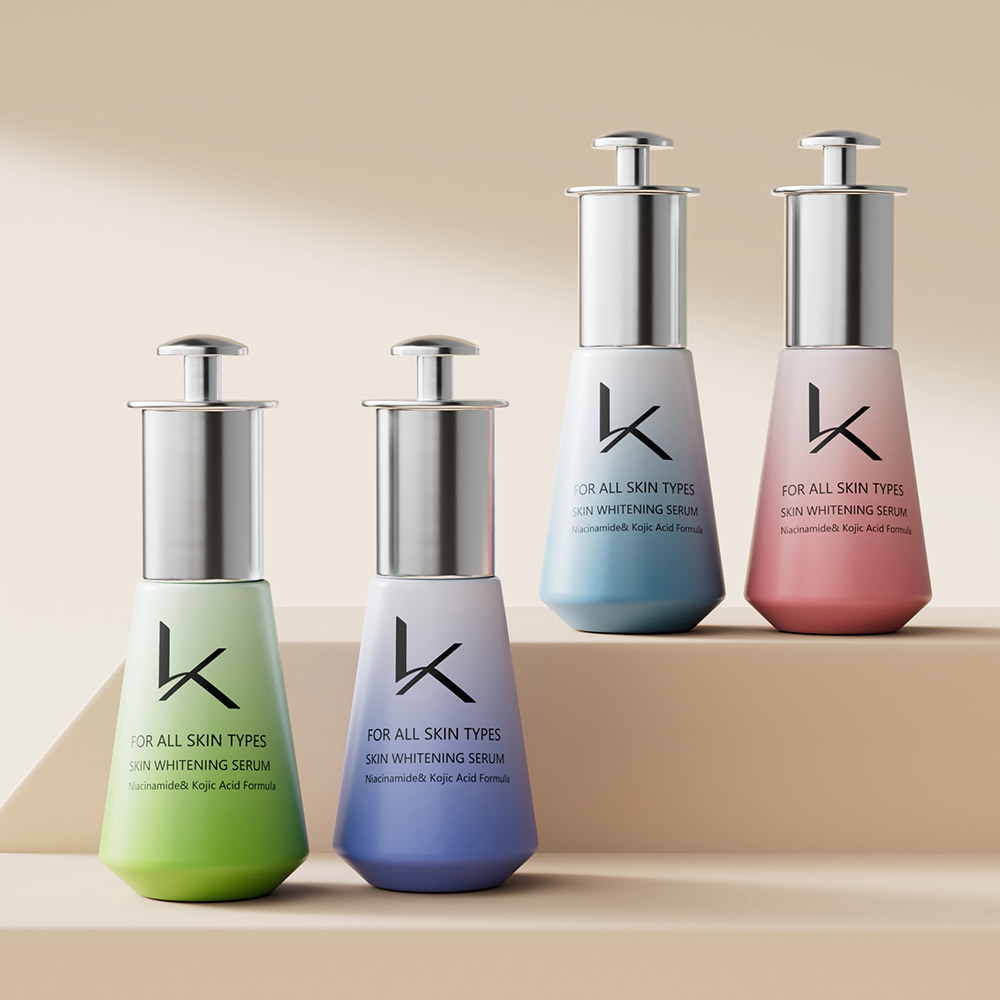
Amber is a standard cosmetic glass color, but that does not mean your bottles have to look like everyone else’s. Most manufacturers offer a full menu of decoration techniques that turn a plain amber bottle into branded packaging:
- Frosting — a matte frosted glass finish that softens the amber tone and feels luxurious in hand
- Custom color — exact custom color matching for caps, gradient effects, or batch consistency
- Hot stamping — metallic logos via hot stamping for a premium gold or silver brand mark
- 3D printing — sculpted details and embossing through 3D printing for limited editions
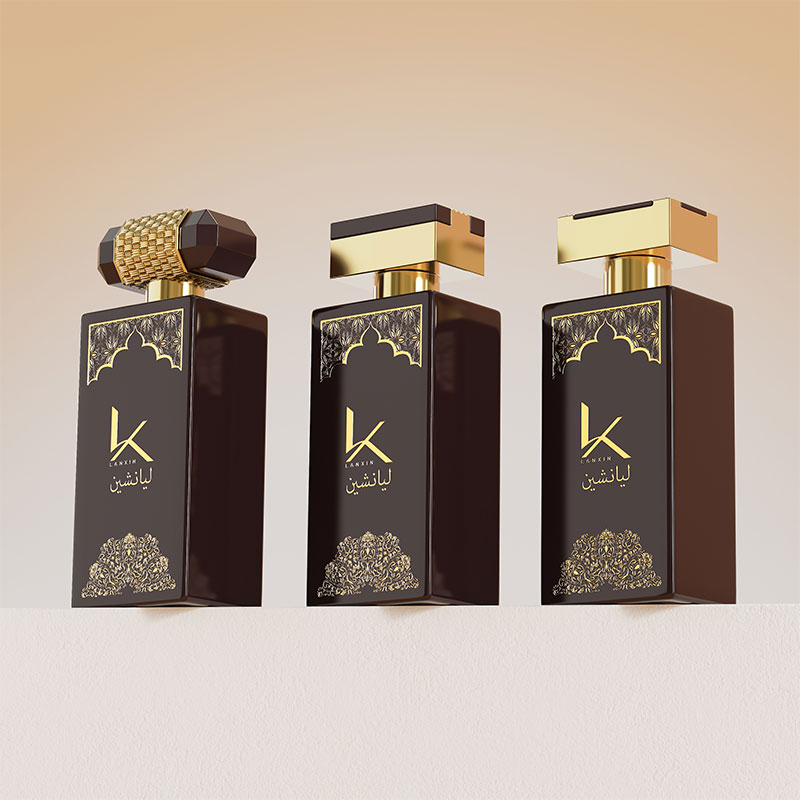
- Closures — gold or black anodized aluminum, wood, or plastic caps to match your identity
Two routes exist: stock amber bottles with decoration are faster and cheaper for first launches, while a custom mold gives you a unique shape protected from copycats. Walk through the available custom glass bottle customization options early, because decoration and closure choices affect mold cost, MOQ, and lead time.
What Is the MOQ for Custom Amber Glass Bottles?
Minimum order quantities for custom amber glass bottles vary by production route. Stock amber bottles with standard neck finishes generally allow lower MOQs — often a few thousand pieces — while a custom mold requires higher volumes to amortize tooling cost. There is no universal number, so treat MOQ as a negotiation input rather than a fixed rule: ask for a written quote that breaks down bottle price, mold cost, decoration, and closure separately.
Before committing to bulk, order samples with your actual formula and run a short stability test. Reputable manufacturers respond to sample requests within a few days, and production lead time depends on whether you need a new mold, decoration, or just standard stock bottles — always get the timeline in writing before placing a deposit. Also request compliance documentation — ROHS, REACH, and CE certificates are common requirements for cosmetic glass packaging sold into the EU and other regulated markets, and FDA-compliant materials matter if your product touches food or drug categories.
The bottom line
Amber glass bottles combine three things buyers increasingly demand: real light protection for sensitive formulas, a premium shelf presence that signals quality, and a recyclable material story for sustainability-conscious consumers. Get the size logic, closure compatibility, and customization right — then verify your supplier’s MOQ, samples, and certifications — and amber packaging stops being a container and becomes part of your brand.
Ready to spec your amber glass bottles? Tell us your product type, target capacity, and decoration ideas — we will send samples and a detailed quote.