Have you noticed how many premium perfumes and skincare lines now come in frosted glass bottles? The global frosted bottle market was worth USD 6.7 billion in 2025 and is projected to reach USD 10.7 billion by 2035 at a CAGR of 4.8%, with cosmetics and personal care capturing more than 39% of that demand. A frosted glass bottle is simply a glass bottle treated with a matte, diffused finish that softens light transmission, feels luxurious in the hand, and instantly elevates a product’s shelf presence.
What Are Frosted Glass Bottles?
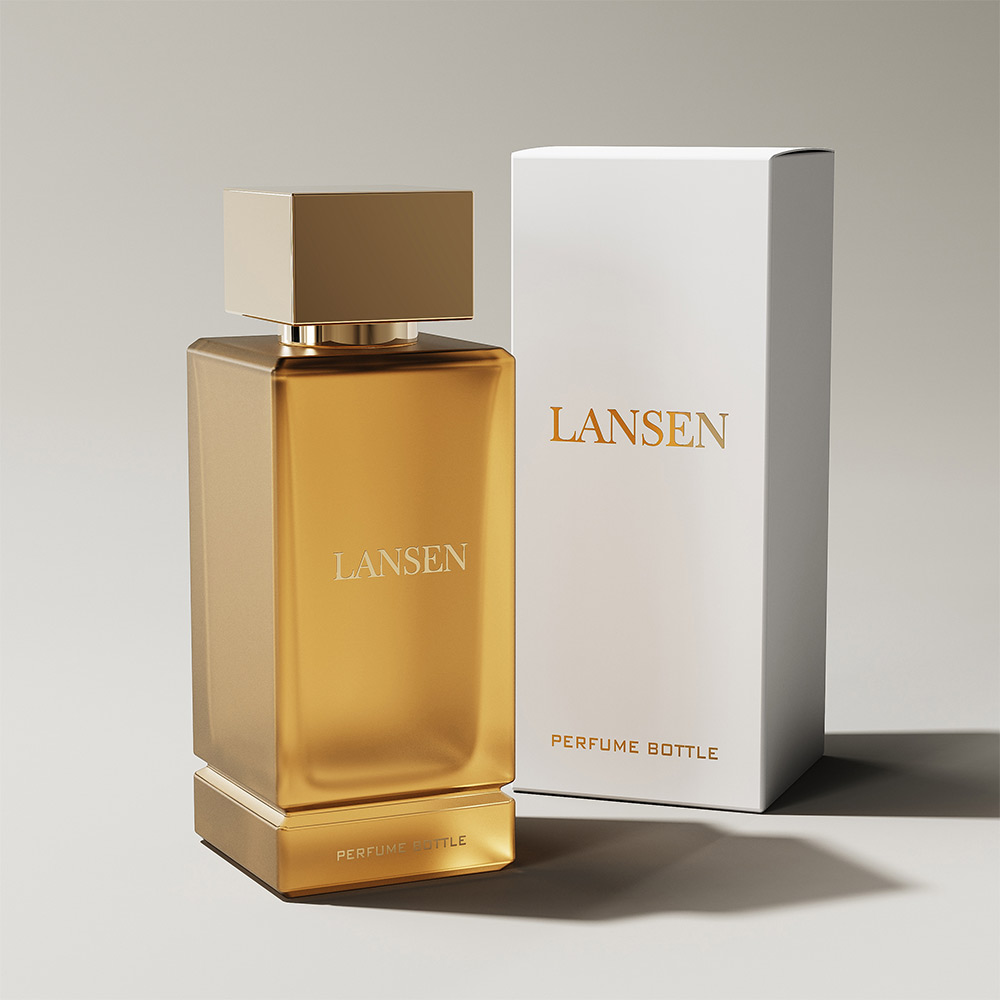
A frosted glass bottle is a container whose surface has been treated so the glass becomes translucent instead of fully transparent. The result is a smooth, matte texture that diffuses light — which is why frosted glass is also called etched glass or satin glass. Visually, it reads as soft, calm, and expensive; functionally, it shields light-sensitive contents such as perfume, essential oils, serums, and vitamins from UV degradation.
This dual value is driving real market growth. According to Future Market Insights, glass is expected to hold more than 71% of the frosted bottle material segment by 2035, and medium-sized bottles (50–500 ml) will account for roughly 36.5% of the market — the sweet spot for most cosmetic launches. Because glass is inert, recyclable, and non-reactive, frosted frosted glass bottle finishes remain the top choice for beauty brands that want both elegance and sustainability.
- USD 6.7 billion — global frosted bottle market in 2025
- USD 10.7 billion — projected market value by 2035
- 4.8% CAGR — forecast growth rate, 2025–2035
- 39%+ — share of demand from cosmetics & personal care
- 71%+ — glass share of frosted bottle materials by 2035
How Are Frosted Glass Bottles Made? Acid Etching vs Sandblasting vs Spray Frosting
There are three main ways to frost a glass bottle, and each produces a slightly different look, cost, and durability profile. Understanding them is the first step in specifying the right frosted glass bottle process for your product line.
- Acid etching (chemical): the bottle is dipped in or sprayed with a hydrofluoric acid solution that chemically eats a fine layer of the surface. It creates the smoothest, most uniform satin finish and is ideal for fine logo details and hot stamping combined decoration.
- Sandblasting (physical): fine abrasive particles are blasted onto the glass at high pressure, physically wearing down the surface. It delivers a slightly rougher, deeper matte texture, works well on thick-walled bottles, and is often more cost-effective for simple finishes.
- Spray frosting (coating): a frosted lacquer or paint is sprayed over the bottle and cured. It is the fastest and most budget-friendly option for low volumes, and it also allows partial frosting — for example, leaving a clear window for the label area.
| Factor | Acid Etching | Sandblasting | Spray Frosting |
|---|---|---|---|
| Finish feel | Smooth, uniform satin | Rougher, deeper matte | Smooth, coating-like |
| Detail precision | Excellent for logos | Good, less precise | Good; allows partial frost |
| Durability | Permanent | Permanent | Coating can wear over time |
| Relative cost | Medium | Low–medium | Lowest for low volumes |
| Typical use | Premium perfume & skincare | Cosmetics, spirits, jars | Small batches, prototypes |
As industry guides such as Formosepack’s frosted perfume bottle guide explain, the choice between sandblasting vs acid etching usually comes down to your budget and how much logo detail you need: acid etching wins on precision and smoothness, while sandblasting wins on cost for straightforward finishes.
Why Do Premium Brands Choose Frosted Glass Bottles?
Beyond the obvious aesthetic appeal, frosted glass earns its place in premium packaging for three practical reasons:
- Light protection: the diffused surface blocks a meaningful share of UV light, protecting volatile fragrance notes, essential oils, and active skincare ingredients from degradation — the same logic behind classic amber essential oil bottles.
- Premium perception: the matte texture signals luxury at the point of sale. The USD Analytics cosmetic & perfume glass packaging report notes that over 70% of new launches now use embossing, digital printing, or etching to differentiate on shelf — frosting is one of the fastest ways to join that trend.
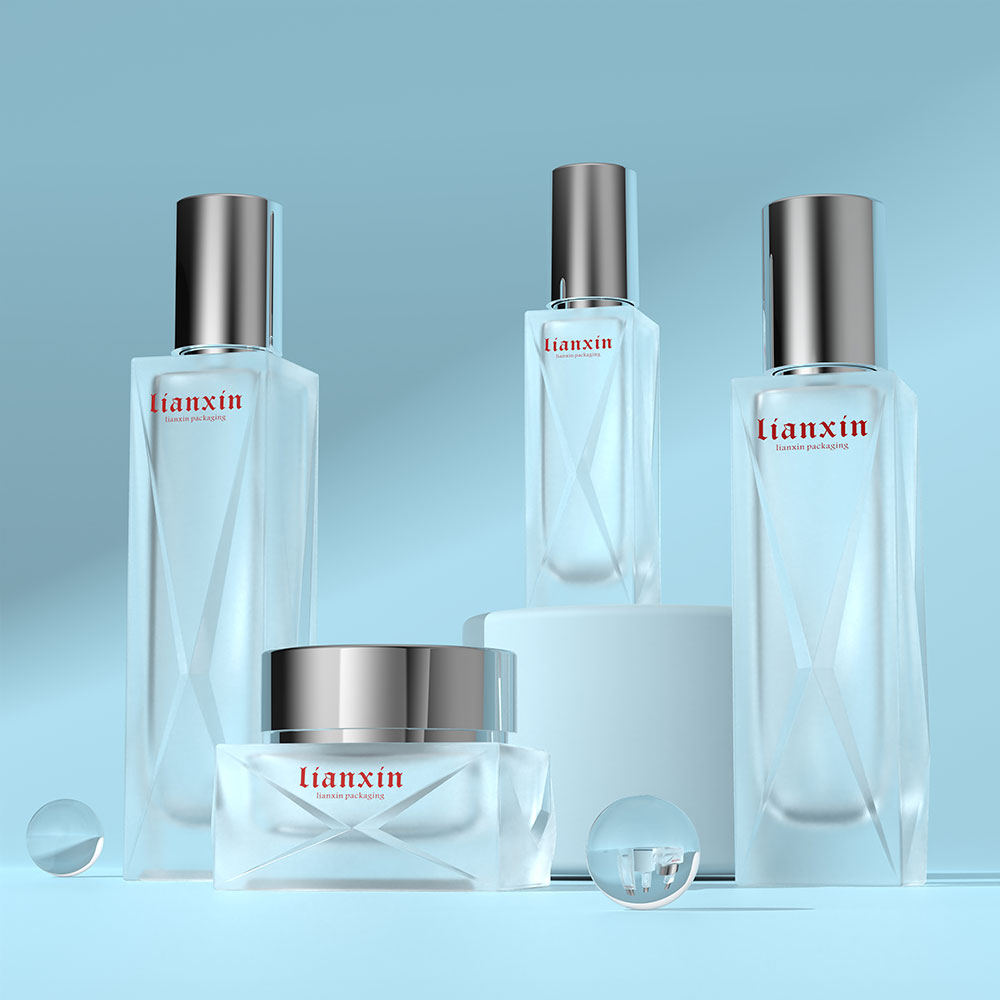
- Cleaner brand canvas: frosted surfaces hide fingerprints and minor handling marks, keep labels looking crisp, and photograph beautifully for e-commerce.
“Frosted bottles are highly used in the cosmetics and personal care industry because they look luxurious, elegant, and modern, helping brands attract customers.” — Future Market Insights, Frosted Bottle Market Outlook 2025–2035
Custom Frosted Glass Bottles: Decoration & Branding Options
Frosting is rarely used alone — it works best as the base layer of a complete decoration strategy. Combining a frosted finish with other techniques is how brands create a distinctive look without inventing a new bottle shape:
- Frosted + hot stamping: a gold or silver logo stamped onto a matte surface creates instant luxury contrast — a favorite for custom perfume bottles.
- Frosted + electroplated caps: pair the matte body with a mirror-shine electroplated cap for a modern, high-end silhouette.
- Frosted + custom color: combine frosting with color spraying or tinted glass to match your brand palette while keeping the soft matte texture.
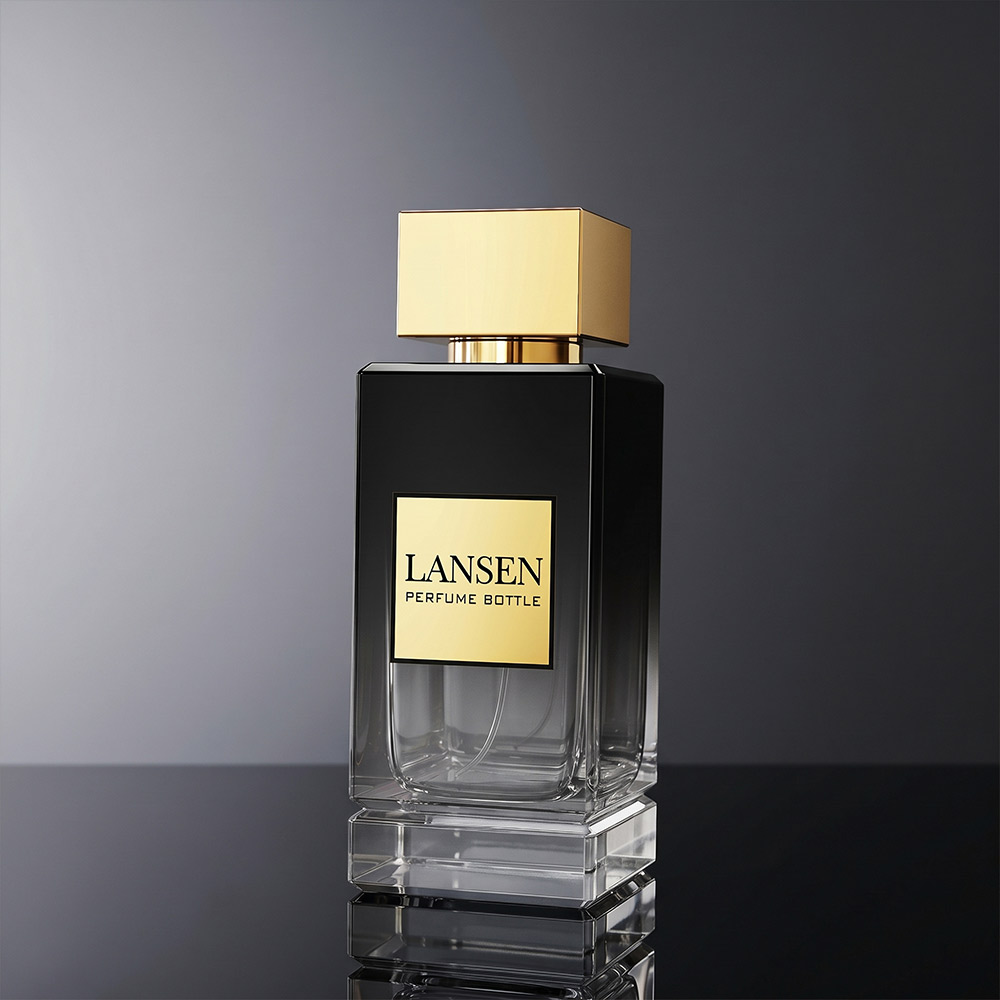
- Partial frosting: keep a clear “window” or leave the base clear for gradient effects — a signature look for niche fragrance lines.
Because every extra process adds cost, most brands start with one or two signature combinations. Our team has produced thousands of custom glass bottle decorations, and we can walk you through which combination fits your budget — from sample approval to full production.
How to Choose a Frosted Glass Bottle Supplier: MOQ, Samples & Certifications
Sourcing custom frosted glass bottles comes down to five questions. Ask every shortlisted supplier the following before ordering:
- What is the MOQ? Frosting lines typically push minimums higher than plain clear bottles. Many factories, including Lianxin, offer lower frosted glass bottle MOQ for stock molds — confirm the mold ownership terms before committing.
- Can I get samples first? Always order a pre-production sample to check the frosting uniformity, logo detail, and cap fit. A good supplier will charge a small sample fee and deduct it from your first order.
- Which finishes can be combined? Confirm the factory can handle acid etching or sandblasting plus hot stamping, electroplating, or color spraying in one production flow — fewer hand-offs means fewer quality risks.
- What certifications are available? For cosmetic and food-contact use, verify compliance with ROHS, REACH, and CE, plus food-grade glass standards if your product requires them.
- What is the lead time? A standard decoration run is typically 2–4 weeks after sample approval; plan your launch calendar around it.
If you are sourcing in bulk, ask for a landed-cost breakdown (bottle + finish + cap + packaging) rather than a per-piece price, so you can compare wholesale frosted glass bottles offers accurately.
Summary: Is Frosted Glass Right for Your Brand?
Frosted glass bottles are one of the most reliable ways to communicate premium quality while protecting your formula — and the data backs it up, with the frosted bottle market growing at 4.8% annually toward USD 10.7 billion by 2035. Start with one signature combination (for example, frosted body + gold hot-stamped logo), order a sample, and test it against your brand palette before committing to full production. The right supplier makes the difference between a finish that looks cheap and one that sells the product.
Get a Free Quote for Custom Frosted Glass Bottles
Tell us your bottle size, quantity, and decoration ideas — we reply within 24 hours.