Quick answer: Glass bottle printing for beauty and skincare brands comes down to two proven methods — screen printing, which delivers bold opaque spot colors at the lowest unit cost once a run passes roughly 3,000 units, and UV digital printing, which handles full-color artwork, gradients and short runs with no screen setup at all. As a 2026 reference, US decorator pricing for a single-color print on glass starts near $0.55 per bottle plus a setup fee of roughly $100 per design.
This guide explains how each method works, what drives your quote, and how to check print adhesion before your order ships.
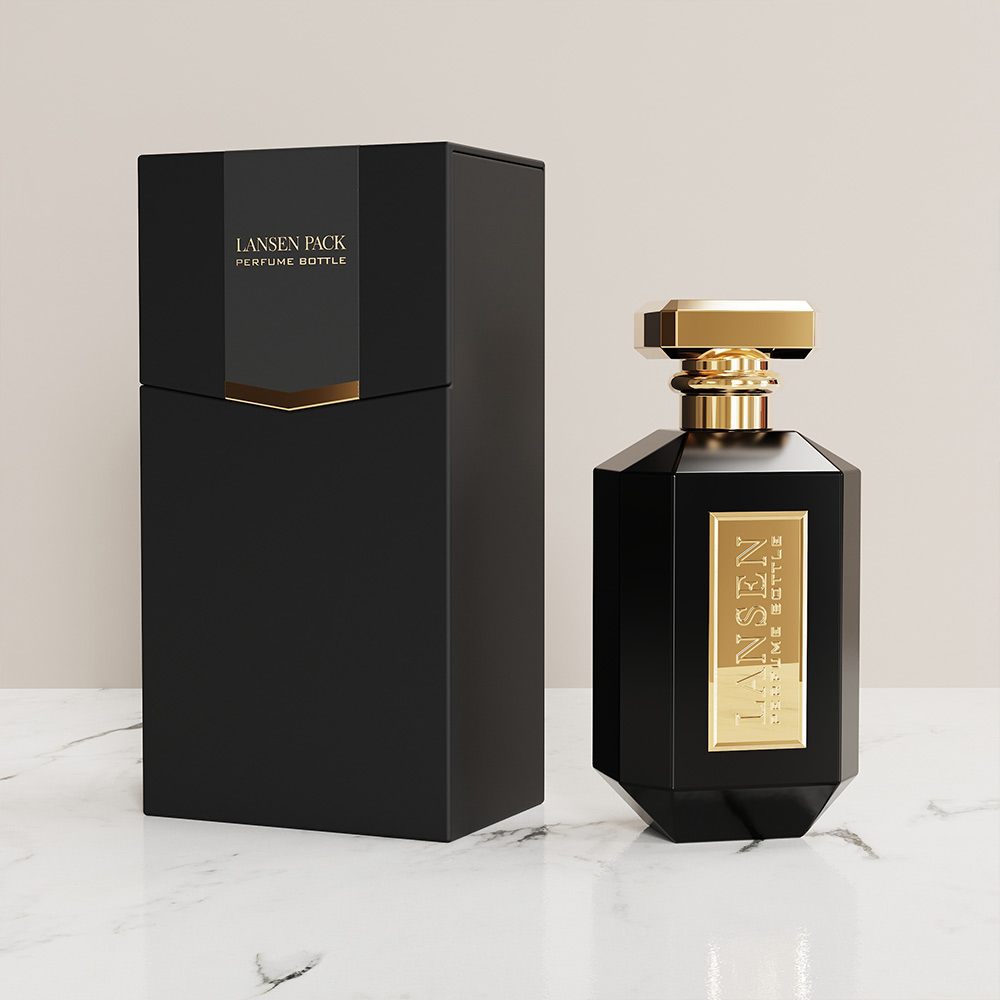
Glass bottle printing is the difference between a container that carries your product and one that carries your brand. Whether you sell perfume, essential oils, nail polish or serum, the decoration route decides three things at once: how the product reads on shelf, what each unit costs, and how many pieces you must commit to before production. Most buyers researching glass bottle printing ask the same four questions — which method suits my volume, what it costs, what order quantity is realistic, and how to keep the print from scratching.
Decoration quality has also moved up the procurement checklist. Global glass packaging volumes rose from 127.92 million tons in 2025 to an estimated 132.06 million tons in 2026 and are forecast to reach 154.86 million tons by 2031 — a 3.24% CAGR — with bottles and jars taking 64.55% of 2025 volume and premium cosmetics packaging named as a growth driver, according to Mordor Intelligence’s glass packaging market analysis.
Glass Bottle Printing vs Labels: What Are the Options?
Separate the two families of decoration first. Direct printing places ink straight onto the glass, so the branding is permanent and cannot be lifted off. Applied decoration — labels, sleeves, foils — sits on top of the surface and can be removed or scuffed. Both solve different problems.
Most beauty brands choose among five routes, decided by order volume, color count, and how hard the bottle will be handled in transit and in the bathroom.
| Decoration route | Best suited to | Setup required | Durability |
|---|---|---|---|
| Screen printing | 1–2 bold spot colors, 3,000+ units | One screen per color | Permanent once cured |
| UV digital printing | Full-color art, gradients, short runs | No screens; artwork file only | Good with primer; below screen |
| Pressure-sensitive label | Small batches, frequent changes | Artwork file only | Can lift or scuff |
| Hot stamping foil | Metallic gold and silver accents | Die plus foil | Very durable |
| Frosting / etching | Matte, tactile premium look | Masking plus spray or acid bath | Permanent |
Many premium SKUs combine two or three routes. A frosted bottle with a one-color screen-printed logo and a hot stamped gold accent reads far more expensive than the sum of its parts. If you are still choosing the glass surface itself, our guide to frosted glass bottle finishes covers the treatment that happens before printing.
Screen Printing on Glass Bottles: Best for Bold Colors at Volume
Screen printing, also called silk screen printing, forces a thick layer of ink through a mesh screen onto the glass and cures it so the ink bonds to the surface. The ink deposit is dense and opaque, so branding reads clearly from across the room.
The economics follow from the process. According to equipment manufacturer Inkcups, screen printing is the strongest choice for one- or two-color designs: multi-colored artwork is possible but involves more labor, and because of the setup time required, one-off printing is both physically and financially impractical. One structural limit is worth designing around — a full 360-degree wrap leaves a seam where the print meets itself.
That makes screen printing the right answer when your artwork is a logo, wordmark, dosage line or ingredient callout in one or two flat colors, and the run is large enough to absorb the screen setup. Typical examples from our lines include single-color logos on custom perfume bottles and shade names printed along the shoulder of nail polish bottles.
UV Printing Glass Bottles: Full-Color Decoration for Short Runs
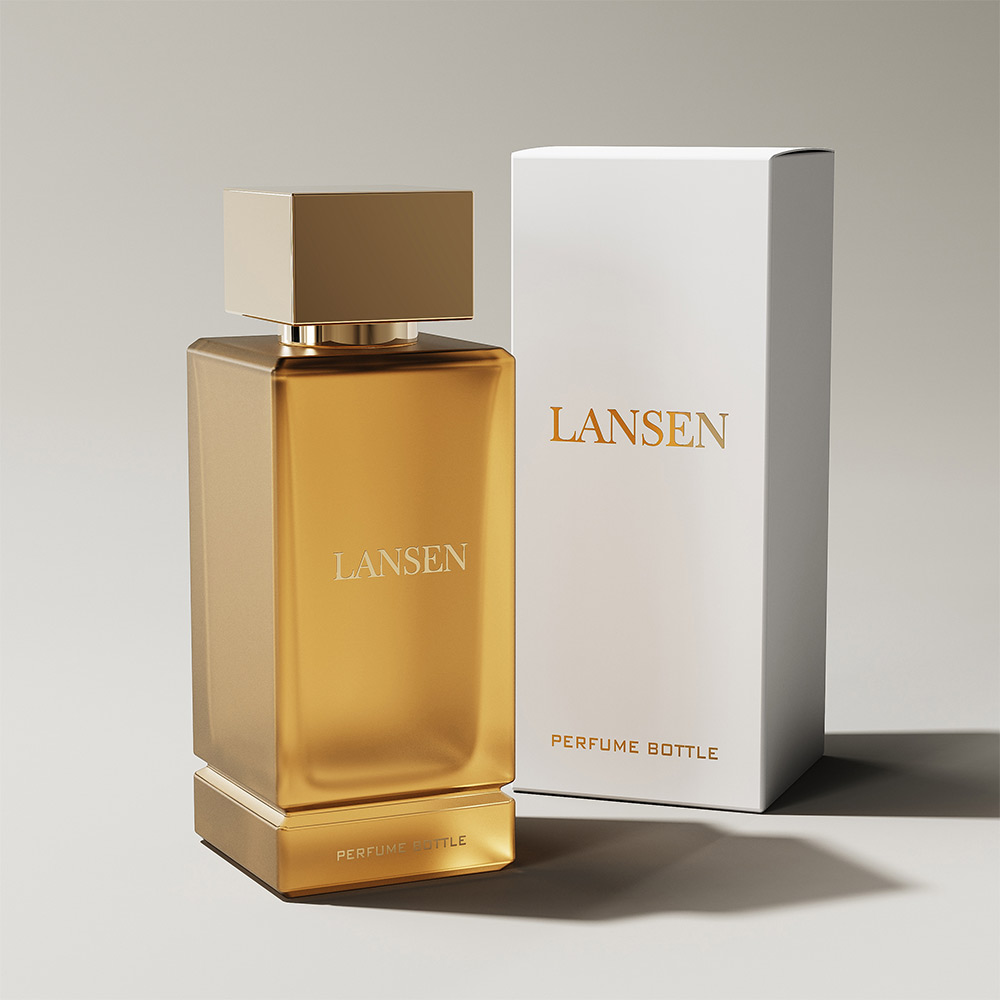
UV digital printing works differently. Instead of a screen and a squeegee, a printhead deposits UV-curable ink directly onto the bottle and a UV lamp cures each pass instantly. With no screen to cut, there is no per-color setup charge, which changes the cost curve on smaller orders.
The design freedom is the main attraction. Digital printing is the method of choice for full-color, seamless full-wrap graphics and photos, and because the artwork lives in a file rather than on a screen, the design can change from one piece to the next without stopping the line. Gradients and short-run seasonal editions that would be uneconomical on a press become routine.
The trade-off is durability. As the same Inkcups guide notes, digitally printed glass is typically not as durable as traditional methods, although adhesion and abrasion resistance improve significantly with primers and pretreatments. That is worth quantifying in a quote: a MagiCoat-treated digital print can reach up to 200 residential washes or 600 industrial washes, and Nano Pin Curing removes the need for a UV-blocking agent when printing on clear glass, which speeds up production.
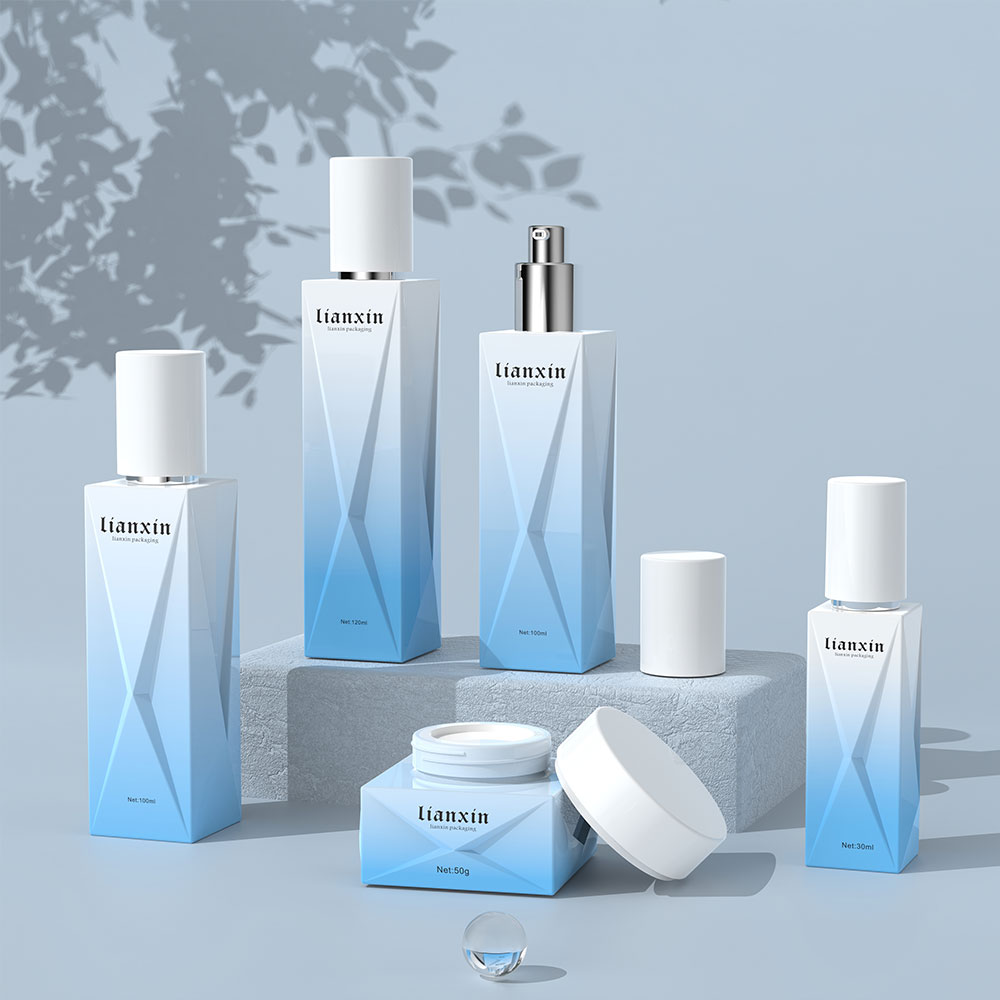
If your artwork needs full-color coverage or a gradient, a dark base often beats printing over untreated flint glass. Our custom color matching service handles the base and UV print handles the artwork on top. The same logic applies to essential oil bottle packaging, where labels are common but direct print reads more premium.
What Does Glass Bottle Printing Cost in 2026?
Quotes vary by geometry, but the published benchmarks are consistent enough to plan against. A 2026 pricing guide from US decorator BJ Silk puts single-color printing on glass bottles at roughly $0.55 per unit, with a flat $100 setup fee per project and about $50 per 1,000 units in packaging.
The single biggest multiplier is color count. Each additional color roughly multiplies the per-unit price, because every color is its own pass through the press with its own screen — the same source notes a two-color print on a 32 oz plastic bottle lands closer to $0.50 per unit rather than a small premium on a single-color price. On glass, moving from a one-color logo to a three-color design changes your quote more than the bottle choice does.
Comparative pricing guides reach the same conclusion from the other direction: screen printing carries high setup costs because screens are required but delivers the lowest per-unit price on large runs, digital UV printing carries low setup with a higher per-unit price, and etching sits between them as a premium frosted effect. — New Printing Era, glass printing cost factors
Beyond color count, six variables move the number:
- Quantity — setup is amortized across the run, so unit cost falls steeply with volume.
- Coverage area — full-wrap designs use more ink and slower press time.
- Ink type — metallic and specialty inks cost more than standard colors.
- Pretreatment — primers and flame or plasma treatment are what make UV print survive washing.
- Artwork preparation — vectorization and pre-press work cost extra if your file is not print-ready.
- Bottle geometry — unusual shapes and heavy glass mean more handling and more rejects.
Lock artwork before the first pass, keep color count as low as the design allows, and compare quotes on the total landed figure rather than the unit print price alone.
How to Choose the Right Decoration for Your Packaging
Four rules cover most brand situations:
- Under 1,000 units with multi-color artwork: choose UV digital printing or a premium label, because screen setup will dominate your cost.
- 1–2 flat colors, 3,000+ units, long product life: screen printing gives the best cost per unit and durability.
- Metallic gold or silver logo: hot stamping outperforms printed metallic inks on reflectivity and wear.
- Matte, tactile finish as the brand signal: start from a frosted or coated surface, then print only where needed.
Then protect the order with three quality gates. First, ask which adhesion test is used — the recognised standards for printing on glass are the ASTM tape, scratch and crosshatch A/B tests, and a supplier who runs them can send the report with your samples. Second, put a pre-production sample into real use; a filled bottle left in a humid bathroom for a month tells you more than a press sheet. Third, confirm the decoration sequence in writing, because print applied before a coating behaves differently from print applied after.
Sustainability pressure belongs in the same checklist. The EU Packaging and Packaging Waste Regulation applies from 12 August 2026 and harmonises material choices, design-for-recycling and labelling across member states, per the same Mordor Intelligence report. Direct printing on a mono-material glass bottle keeps a label or sleeve out of the waste stream, a compliance advantage that costs nothing extra. Our full glass bottle customization team can confirm which combinations keep a pack within those rules.
Frequently Asked Questions About Glass Bottle Printing
What is the most affordable way to print on glass bottles?
It depends on volume. For short runs and prototypes, digital UV printing is generally the most cost-effective because it has minimal setup costs and handles full-color designs. From 3,000 units upward in one or two colors, screen printing produces the lowest per-unit price even though its setup cost is higher.
How many colors can you print on a glass bottle?
Screen printing is practical for one or two colors; more colors require additional screens, passes and labor, which is where quotes climb fastest. Pad printing, often used on curved or small surfaces, can handle up to six colors on suitable machines, though most bottle work stays within one or two.
How much does artwork complexity add to the final price?
Design complexity affects setup time and material use directly. Single-color logos are the cheapest option; multi-color and detailed graphics increase both screen count and press time, and designs needing significant pre-press work attract a separate artwork charge.
Are there hidden fees in a glass bottle printing quote?
Sometimes. Watch for artwork preparation, rush-order surcharges, specialty ink premiums, pretreatment charges and export packaging. Request an itemised quote separating setup, printing, finishing and packaging so two suppliers can be compared on the same basis.
What is the minimum order for custom printed glass bottles?
The minimum is driven by setup economics rather than a fixed rule. Some decorators advertise minimums from 100 pieces, but screen-printed glass only becomes efficient in the thousands. If your launch plan is under 1,000 units, UV digital printing or a premium label returns more value per dollar.
Get Custom Glass Bottle Printing Quotes for Your Brand
Lianxin manufactures and decorates glass bottles for fragrance, essential oil, nail care and skincare brands — screen printing, UV digital printing, hot stamping, frosting and color coating under one roof. Send your artwork, bottle size and target quantity, and we will return an itemised glass bottle printing quote separating setup, print and packaging, plus pre-production samples for adhesion testing before you commit.
Still choosing the bottle itself? Start with our perfume bottle, essential oil bottle and nail polish bottle ranges.