Flocked glass bottles are custom glass bottles covered in a velvet-like fibre finish created by an electrostatic flocking process — and they give fragrance and cosmetic brands a tactile advantage that printed or sprayed decoration alone cannot deliver. In short, flocking applies millions of tiny fibres to an adhesive-coated glass surface, turning a smooth empty perfume bottle into a soft-touch object that feels expensive before a drop of product is used. Below we explain how the flocking process works, what flocked glass bottles cost, the MOQ you can expect from suppliers, and how to order your own custom flocked bottles.
Key takeaways — read this if you only have 30 seconds:
- Flocked glass bottles are glass containers finished with millions of tiny rayon, nylon or polyester fibres fixed upright by adhesive and electrostatic force — a genuine velvet touch, not a printed effect.
- The finish works beautifully on perfume bottles, cosmetic jars, caps and gift packaging, where feel drives perceived value.
- Supplier MOQs for flocked bottles typically start at about 5,000 units on stock shapes and rise for custom sizes — plan your volumes early.
1. What Are Flocked Glass Bottles?
Flocking is a decorative finishing process in which millions of tiny fibres are attached vertically to an adhesive-coated surface using electrostatic force, creating a velvet-like texture. When applied to glass packaging, the result is a velvet finish glass bottle — smooth glass that feels like suede or velvet in the hand. The fibres are usually made from rayon, nylon or polyester; they are electrically charged during application so they stand upright instead of lying flat, which is exactly what produces the even, dense soft-touch surface.
Unlike printing, hot stamping or spray painting, which only change how a bottle looks, flocking changes how it feels — and that physical impression is why luxury brands keep choosing it for limited editions, holiday collections and premium gift sets. As one packaging specialist puts it:
“Flocking is a finishing process that applies tiny fibres onto a glued surface using electrostatic technology, creating a soft velvet-like texture. It improves product presentation, protects delicate items, and is widely used for perfume, jewellery, cosmetics and premium gift packaging.” — Kexin Packaging, “What Is Flocking in Packaging?”
The demand context is solid: the cosmetic perfumery glass bottle packaging market was worth USD 2.73 billion in 2026 and is forecast to reach USD 3.42 billion by 2031, growing at a 4.61% CAGR, according to Mordor Intelligence. Within that market, decorative finishes are where brands differentiate — and our flocking process for glass bottles is one of the finishing options we apply to custom packaging projects.
2. How Is the Flocking Process Done on Glass Bottles?
Understanding the production steps helps you ask the right questions when you brief a supplier — and it explains why flocking is priced differently from a simple spray coat:
- Surface preparation. The glass bottle is cleaned and, where needed, primed so the adhesive bonds evenly. Any existing decoration or logo areas that must stay un-flocked are masked first.
- Adhesive application. A controlled layer of glue is applied — either over the whole bottle or only in selected panels. Partial flocking (a logo zone, a band or the lower half of the body) is achieved at this masking stage and is a popular way to control cost.
- Electrostatic fibre application. Millions of short fibres are charged and sprayed onto the glued surface, where they stand upright and embed in the adhesive — this vertical alignment is what creates the velvet touch.
- Curing and quality control. The coated bottle is cured so the bond sets, then checked for fibre density, adhesion strength, edge cleanliness and shedding.
Quality varies widely between workshops, so verify before you commit. Kexin Packaging lists the checks experienced buyers use: fibre density, glue consistency, electrostatic alignment, adhesion strength, edge cleanliness and abrasion resistance. Typical failure signs are loose fibres that shed after a few uses, a stiff coating with an unpleasant hand feel, base colour showing through thin fibre coverage, and mould or odour caused by moisture — the last is why flocking lines cure and store coated goods in dry, ventilated conditions.
One practical note: flocking is usually the final decoration step, applied after glass colour, frosting or printing is complete. Plan your finish stack (for example, a frosted body plus a flocked cap) with your manufacturer before production so the order of operations is correct.
3. Which Glass Products Suit a Flocked Finish Best?
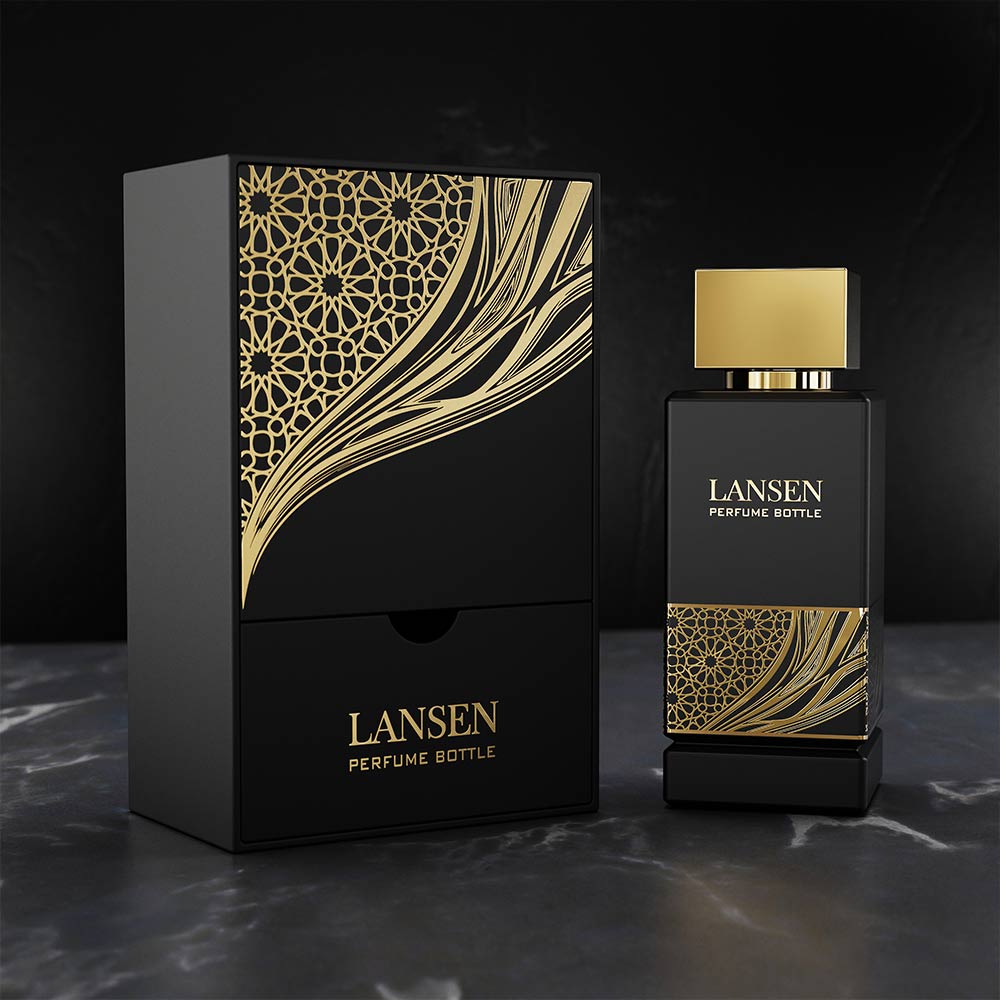
Flocking is not for every SKU — it shines on products where the hand-feel moment matters. The classic application is the flocked perfume bottle: fragrance brands use a full-body velvet coat or a flocked lower panel to make a mass-market juice feel like a niche launch. The same logic applies to:
- Perfume and cologne bottles — full-body velvet or flocked base panels on custom perfume bottle blanks.
- Caps, collars and closures — a flocked cap paired with clear or coloured glass creates a strong contrast with very little extra material cost.
- Cosmetic jars and skincare packaging — cream jars with a flocked lid or outer panel feel more premium at unboxing.
- Gift sets, sample vials and PR kits — flocked mini bottles are a favourite for influencer mailers and holiday coffrets, where the unboxing is the campaign.
- Nail polish and essential oil lines — caps are the usual flocking target here, keeping the bottle itself practical while adding a signature texture.
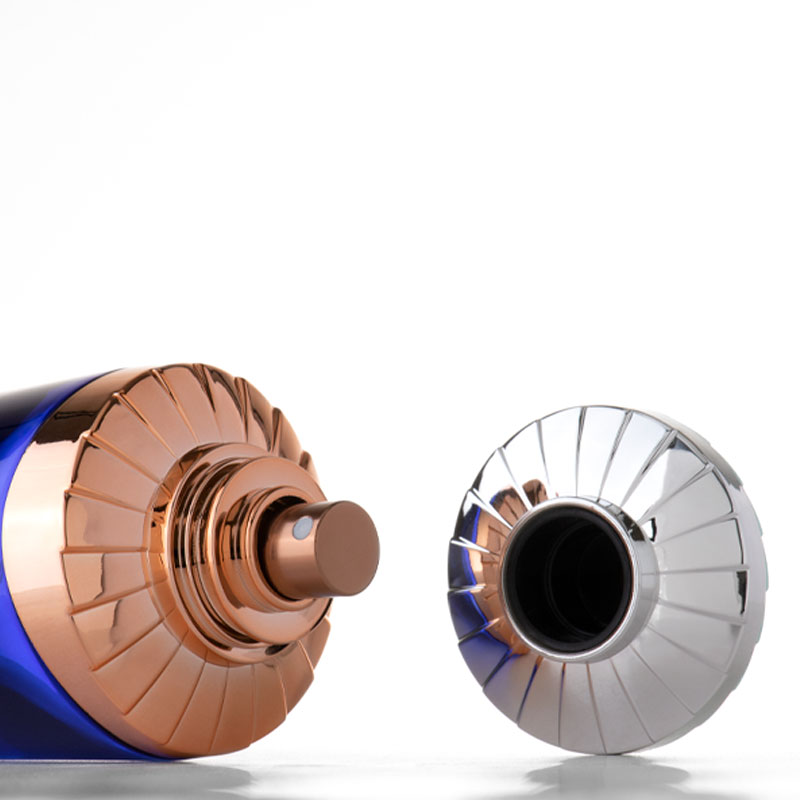
Because the fibre colour is fully customisable (black velvet is the classic, but beige, burgundy, grey and pastel shades are common), a flocked finish can be tuned to match a brand’s identity rather than forcing the brand to fit a standard finish. If you are exploring options, our custom glass bottle decoration options page walks through how finishes combine on one project.
4. Flocked vs Frosted vs Other Glass Finishes: How to Choose
Flocked bottles compete for the same marketing budget as frosted, electroplated or colour-sprayed glass. The table below compares the four most-requested finishes so you can shortlist quickly:
| Finish | Look & feel | Best for | Cost level | Durability note |
|---|---|---|---|---|
| Flocking | Soft velvet touch; matte, dense colour | Luxury perfume, gift & limited editions | Medium (area + masking driven) | Soft surface — protect from heavy abrasion & moisture in transit |
| Frosted | Silky translucent matte on the glass itself | Skincare, essential oil, everyday prestige lines | Low–medium | Permanent finish on the glass — very robust |
| Electroplated | Metallic mirror shine (gold, silver, gunmetal) | Statement caps, night-out & festive collections | Medium–high | Metallic layer needs careful handling |
| Colour spraying | Opaque or gradient painted glass | Brand-colour bottles, gradient effects | Low–medium | Coating durable when cured; chip risk on impact |
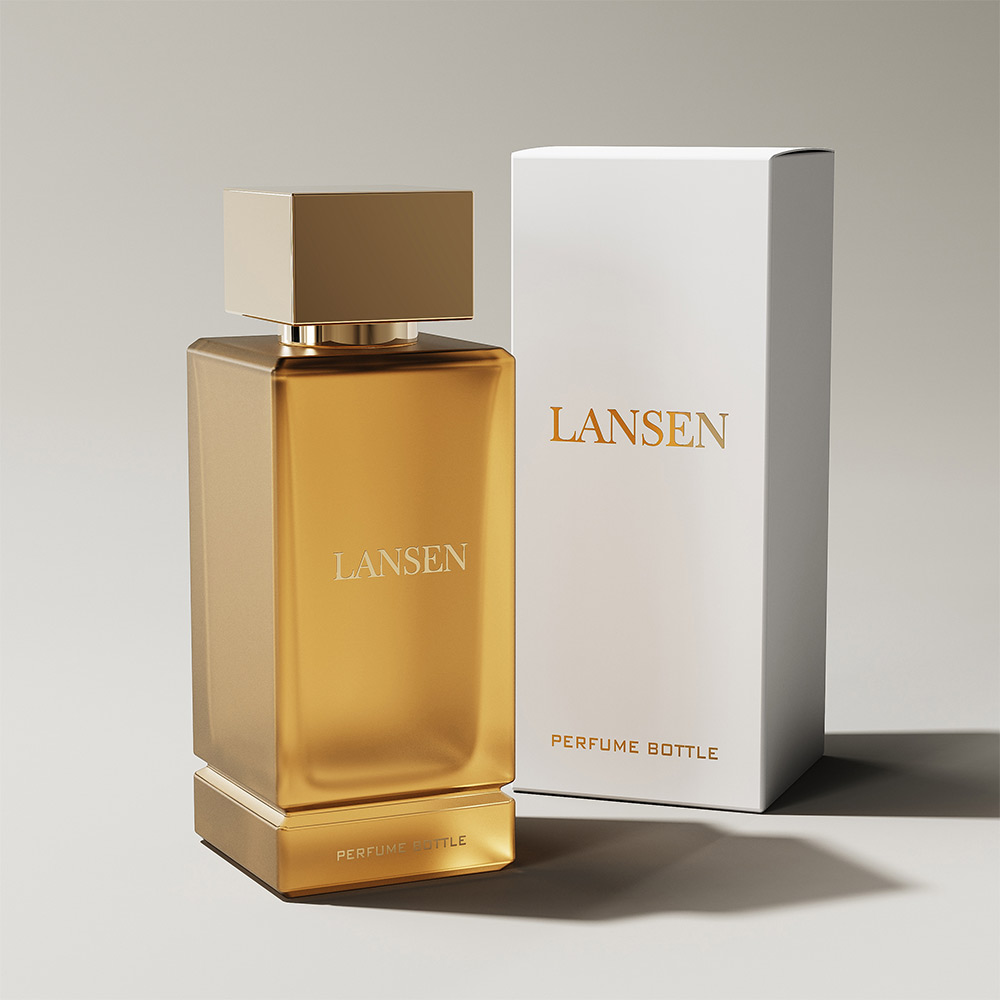
Rule of thumb: choose frosted glass bottles for everyday prestige products that must survive heavy handling; choose flocking when the unboxing moment is the product experience. For high-shine statements, electroplated glass bottles deliver a mirror metal look, while colour-sprayed glass bottles handle full-colour branding. Many brands combine two finishes on one SKU — for example, a flocked cap on a frosted body — to get differentiation without paying for 100% velvet coverage.
5. What Is the MOQ for Custom Flocked Glass Bottles?
MOQ is usually the first question buyers ask, and the honest answer is: it depends on the bottle and the coverage. Flocking is a batch process, so suppliers quote per project. Public listings give a realistic planning range — a 50 ml velvet flocked perfume bottle from a major glass manufacturer carries a 5,000-unit MOQ on its stock shape, while a 100 ml flocked cylindrical perfume bottle listed on Made-in-China quotes 10,000 pieces. As a rule of thumb, budget for 5,000 units minimum on stock bottles, and expect higher minimums for fully custom moulds or large formats.
Cost drivers to discuss with your supplier:
- Flocked area — full-body velvet costs more than a flocked cap or a masked logo panel.
- Fibre colour & grade — standard black velvet is cheapest; specialty shades cost more.
- Bottle sourcing — in-stock blanks keep costs low; custom-mould bottles raise MOQ and tooling cost.
- Combined decorations — frosting, printing or hot stamping added before flocking extends the production chain.
- Quality expectations — dense, low-shedding fibre and proper curing cost more but protect your brand in the market.
Two buying habits save real money on flocked projects. First, always request physical samples before bulk: velvet hand-feel cannot be judged from photos, and a 30-second touch test tells you more about fibre density than any spec sheet. Second, lock the finish specification (fibre type, colour code, coverage map, QC checks) into your purchase order so the workshop’s output is measurable at inspection.
6. How to Order Custom Flocked Glass Bottles
The path from idea to a shelf-ready flocked bottle is straightforward when you work with one responsible manufacturer: send your target capacity and silhouette (or pick from existing perfume, essential oil or cosmetic bottle moulds), confirm the flocking pattern and colour, approve pre-production samples, and agree QC criteria such as fibre density and edge cleanliness before mass production starts. Because flocking sits at the end of the decoration line, your supplier should confirm the full finish stack before tooling — that single conversation prevents most rework.
The cosmetics glass packaging market rewards the brands that feel different on the shelf — and a velvet flocked bottle is one of the most cost-effective ways to buy that feeling. Share your bottle size, quantity and finish idea with our team and we will confirm feasibility, samples and a production schedule for your custom flocked bottles.