Cosmetic packaging trends 2026 point in one clear direction: recyclable glass, refillable formats and sensory premium finishes are now the default expectation of beauty buyers — not optional extras. If you are sourcing bottles for a perfume, essential oil, nail polish or skincare launch, the practical answer is simple: build your line around custom glass bottle packaging that combines sustainability, premium decoration and flexible MOQs, so your brand can launch faster and command a higher price per unit.
60-second summary — what the 2026 cosmetic packaging trends mean for buyers
- The glass cosmetic bottle market is forecast to grow from $4.8 billion in 2026 to $7.91 billion by 2035 — glass keeps taking share from plastic.
- Sustainability now sells: refillable, amber and endlessly recyclable glass bottles are table stakes in the EU and North America.
- Premium finishes — frosted, electroplated, hot stamping — are the lowest-cost way to justify a higher retail price.
- Low-MOQ custom programs let indie brands get custom glass bottle packaging without warehouse-sized minimum orders.
What is driving cosmetic packaging trends in 2026?
Cosmetic packaging trends 2026 are being driven by three forces at once. First, regulation and consumer pressure: packaging waste rules in the EU and single-use plastic backlash in North America push brands toward refillable and recyclable formats. Second, premiumization: shoppers keep trading up to sensorial, high-touch packaging even as budgets tighten elsewhere. Third, speed to market: small batches and faster sampling let emerging brands iterate packaging like they iterate formulas. Glass sits at the intersection of all three — it is inert, infinitely recyclable, and reads as luxury on the shelf.
$59.88B → $89.72B
Global cosmetic packaging market, 2026 to 2034, at a 5.19% CAGR (Fortune Business Insights).
$4.8B → $7.91B
Glass cosmetic bottle segment, 2026 to 2035, advancing at a 5.7% CAGR (Markwide Research).
$74.5B → $91.1B
Cosmetics packaging industry, 2025 to 2030, growing at 4.1% CAGR per GlobalData (cited by Berlin Packaging).
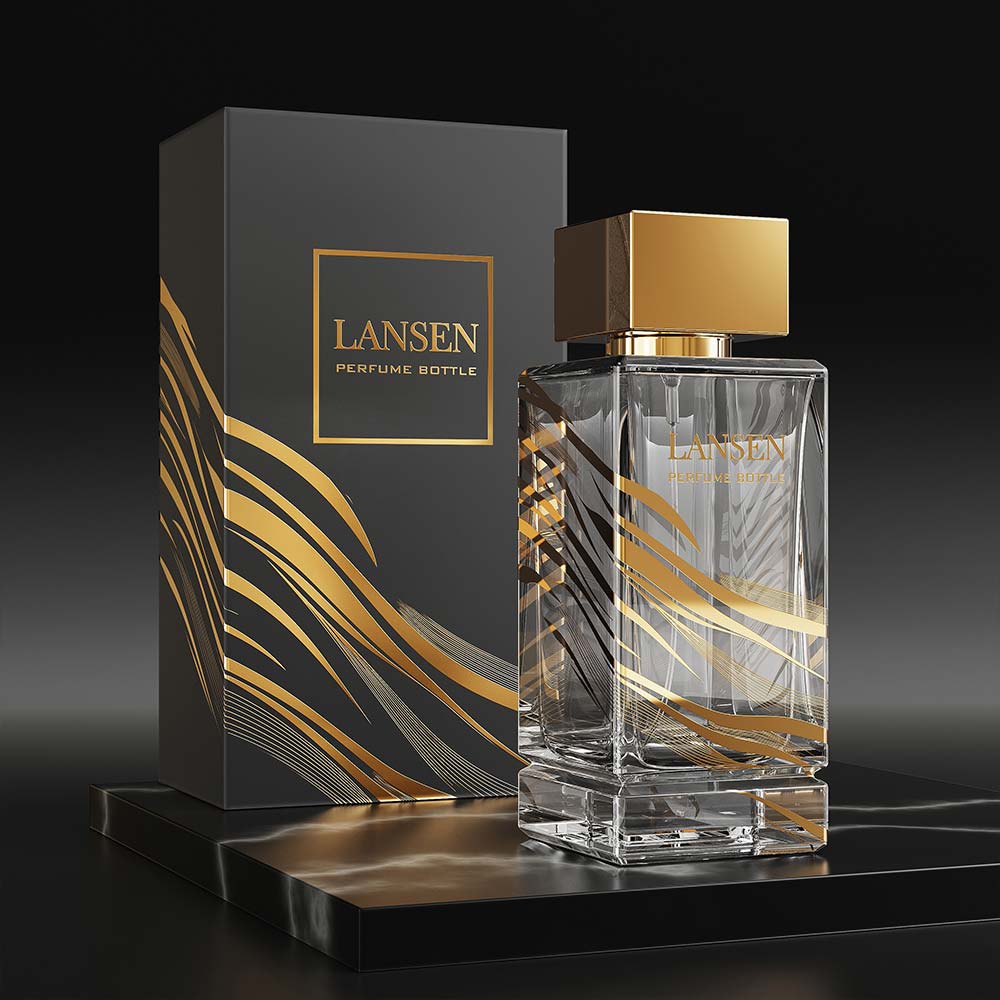
Different analysts scope the market differently, but the direction is consistent: the total packaging pie grows steadily while glass grows faster than the category average. For a buyer, that means inventory and mold capacity for glass lines will only get more competitive — locking in a reliable supplier early is a strategic move, not an operational one. Fragrance brands in particular are upgrading from stock perfume bottle shapes to custom silhouettes to stand out on retail and social shelves.
Sustainable glass packaging trends: why refillable bottles win in 2026
Sustainability has moved from a marketing badge to a purchasing criterion. Retailers audit packaging claims, and beauty consumers increasingly check whether a bottle is refillable or recyclable before buying. Glass answers both checks naturally: it can be recycled endlessly without quality loss, and refill systems built around a durable glass vessel cut per-use packaging waste dramatically.
Two formats are leading the shift. Refillable perfume and skincare bottles, where the consumer keeps the premium glass vessel and buys refills, protect margins while signalling responsibility. Amber and other tinted glass, meanwhile, protects light-sensitive actives — a key reason essential oil brands standardize on amber essential oil bottles rather than clear or plastic containers. Industry reviews of 2026 packaging directions consistently list sustainability-first formats, refills and recyclable material progress among the dominant themes (Berlin Packaging, 2026 trends).
- Recyclability is non-negotiable: mono-material glass with removable caps and pumps is the cleanest recycling story a brand can tell.
- Refill programs retain customers: a durable bottle + refill pouch or cartridge lowers the brand’s cost per use and lifts repeat purchase.
- Tinted glass protects formulas: amber and cobalt bottles shield actives from UV while adding a premium shelf presence.
Premium finishes to watch: frosted, electroplated, hot stamping and more
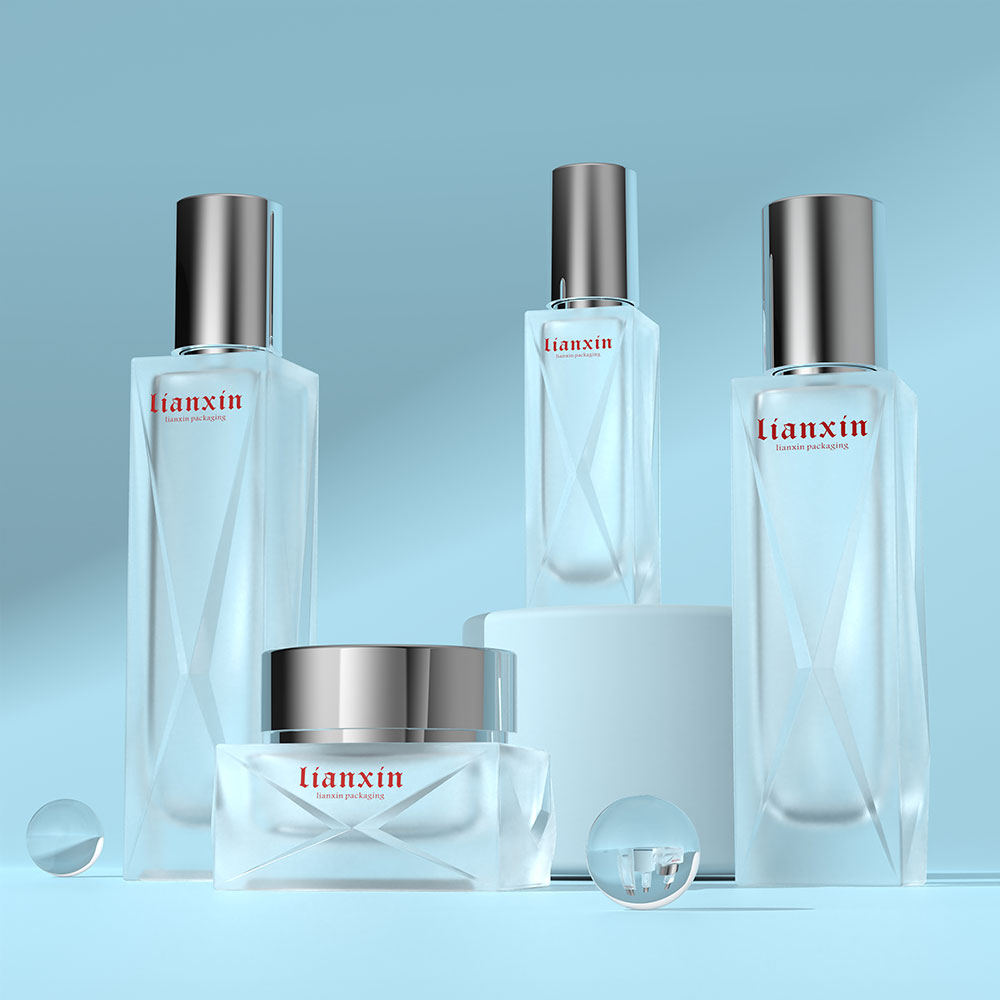
With the bottle itself now a brand asset, decoration is where differentiation happens — and it is the finish, not the shape, that appears most often in cosmetic packaging trends 2026 coverage. Sensory design — packaging that feels good in the hand — is one of the fastest-growing drivers in beauty packaging, and texture is the cheapest way to deliver it. The table below compares the finishes buyers ask about most, with indicative cost levels from stock-bottle programs.
| Finish | Look & feel | Best fit for | Cost level |
|---|---|---|---|
| Frosted glass bottle | Soft translucent matte, velvety touch | Perfume, skincare, essential oil | $ (per-unit, batch-friendly) |
| Electroplated | Mirror metallic glass, high shine | Luxury perfume, gift sets | $$ (decorated line required) |
| Hot stamping | Gold/silver metallic logos & lines | Logo personalization on any line | $ (small-area, low MOQ) |
| Custom color spraying | Brand-matched solid or gradient color | Nail polish, skincare, color cosmetics | $$ (color-matching sample needed) |
A useful rule for 2026 launches: pick one signature finish and apply it consistently across your range instead of decorating every SKU differently. A uniform frosted glass bottle finish across a 30 ml, 50 ml and 100 ml lineup reads as a deliberate brand system — and it simplifies QC and keeps decoration costs predictable as you scale.
Custom glass bottle packaging with low MOQs: how emerging brands compete
The most important structural change in cosmetic packaging trends 2026 is accessibility. Ten years ago, bespoke molds and decorated glass were reserved for brands that could order hundreds of thousands of units. Today, suppliers run hybrid programs: standard stock molds combined with fully custom decoration — glass bottle customization services now cover finish, cap, color and print — so a 3,000-unit launch can look like a 300,000-unit brand.
For buyers, this changes the launch playbook. Order a small first batch to validate sell-through, gather retail feedback, then scale the same design without re-tooling. Keep the mold and finish identical between pilot and scale runs, and lock the unit economics early: per-unit decoration cost, lead time for reorders, and the supplier’s sample-to-bulk consistency. Brands running this model across categories — from 10 ml nail polish bottles to 100 ml perfume flacons — report that the same custom glass bottle packaging design can be refreshed seasonally with a color change alone, protecting shelf impact without new mold investment.
How to choose a glass bottle manufacturer for your 2026 launch
Trends tell you what to build; the supplier decides how well you build it. Before you send a brief, check a shortlist against these five criteria:
- Material compliance: the factory should confirm glass and decoration meet the destination market’s requirements (REACH in the EU, FDA food-and-cosmetic contact expectations in the US) and provide documentation on request.
- In-house decoration: single-vendor frosting, electroplating, spraying and printing means one QC standard and shorter lead times than coordinating three workshops.
- Sample speed and fidelity: ask for the timeline from brief to decorated sample — and verify the sample matches the bulk, not just the render.
- Transparent MOQ and lead time: get the numbers in writing for stock, semi-custom and full-custom programs before you commit.
- Breakage and QC process: a clear inspection and compensation policy on transit damage protects your launch margin.
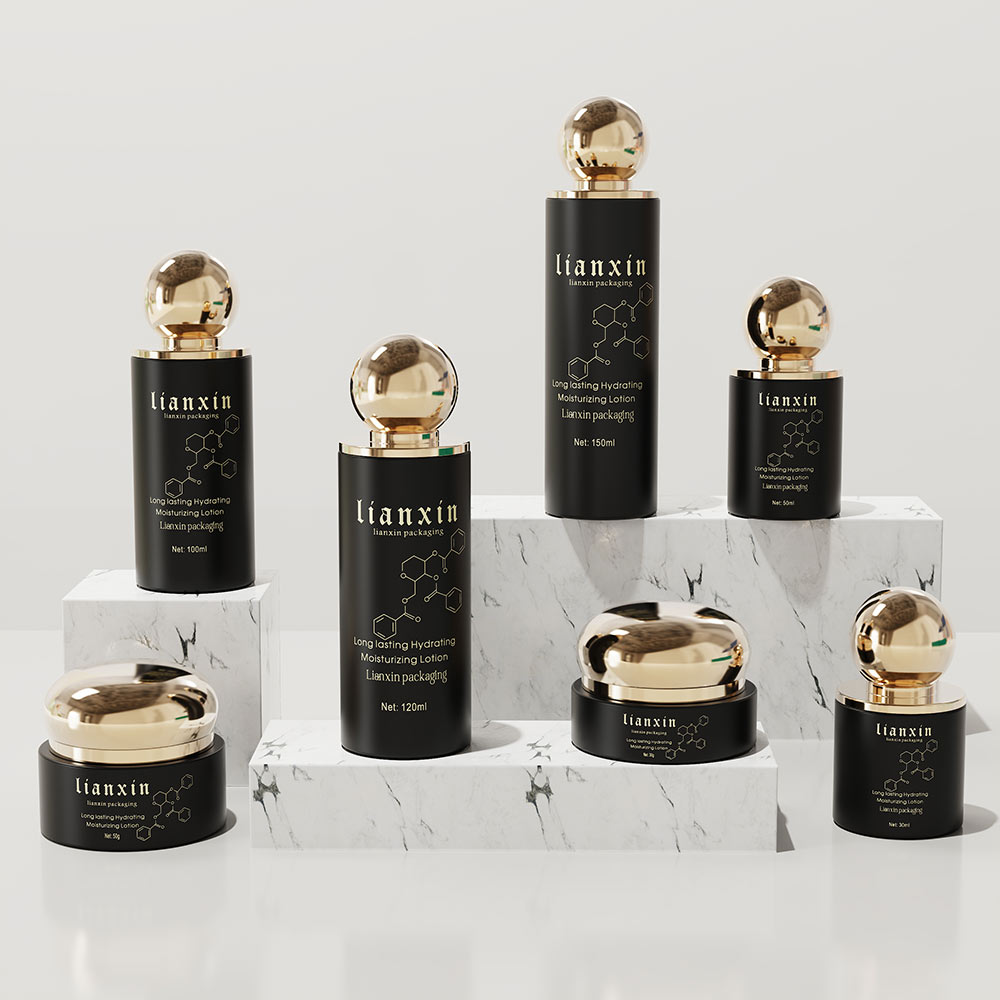
If your brand sells fragrance, skincare, essential oil or nail care, the 2026 window for cosmetic packaging trends is favorable: glass demand is rising, decoration costs are stable, and flexible MOQs mean the market is open to brands of every size. The brands that capture the trend are the ones that lock a dependable manufacturing partner now — before the next launch season compresses mold and line capacity.
Ready to turn these cosmetic packaging trends into your product line?
Send us your target bottle type, fill volume and decoration idea — we will reply within one business day with stock options, MOQ and lead time for your project.