By 2030, the desktop 3D printing market is forecast to grow from USD 5.8 billion in 2024 to USD 20.9 billion — a 23.8% CAGR (Grand View Research) — and packaging prototyping is one of the main drivers. For fragrance and cosmetic brands, a 3D printed glass bottle prototype is now the fastest and most affordable way to validate a new bottle design before a single production mold is cut. Simply put: a 3D printed glass bottle prototype is a clear, resin-printed model of your future glass bottle, produced from your CAD file in days, so you can check shape, size, neck finish and shelf appeal — then move confidently into real glass sampling and mass production.
This 2026 guide explains what a bottle prototype can (and cannot) do, the real costs and lead times behind packaging-industry case studies, and the five steps we take customers through to turn an approved 3D printed model into a production-ready custom glass bottle.
Key facts at a glance
- 3D printed prototypes simulate the look and feel of glass so the design can be approved before any mold is made.
- In a Unilever × Serioplast pilot, an SLA-printed mold was built in ~2 days and a 200-unit pilot run finished in 2 weeks — up to 70% faster and 90% cheaper than machined molds (Formlabs case study).
- 3D printing can cut packaging sample costs by 60–80% (PackAge the World, 2026).
- Many packaging mockups are printed in under 24 hours (Stratasys).
- A 3D printed model is a prototype, not the final bottle — production bottles are still made in real glass by blow molding.
What Is a 3D Printed Glass Bottle Prototype?
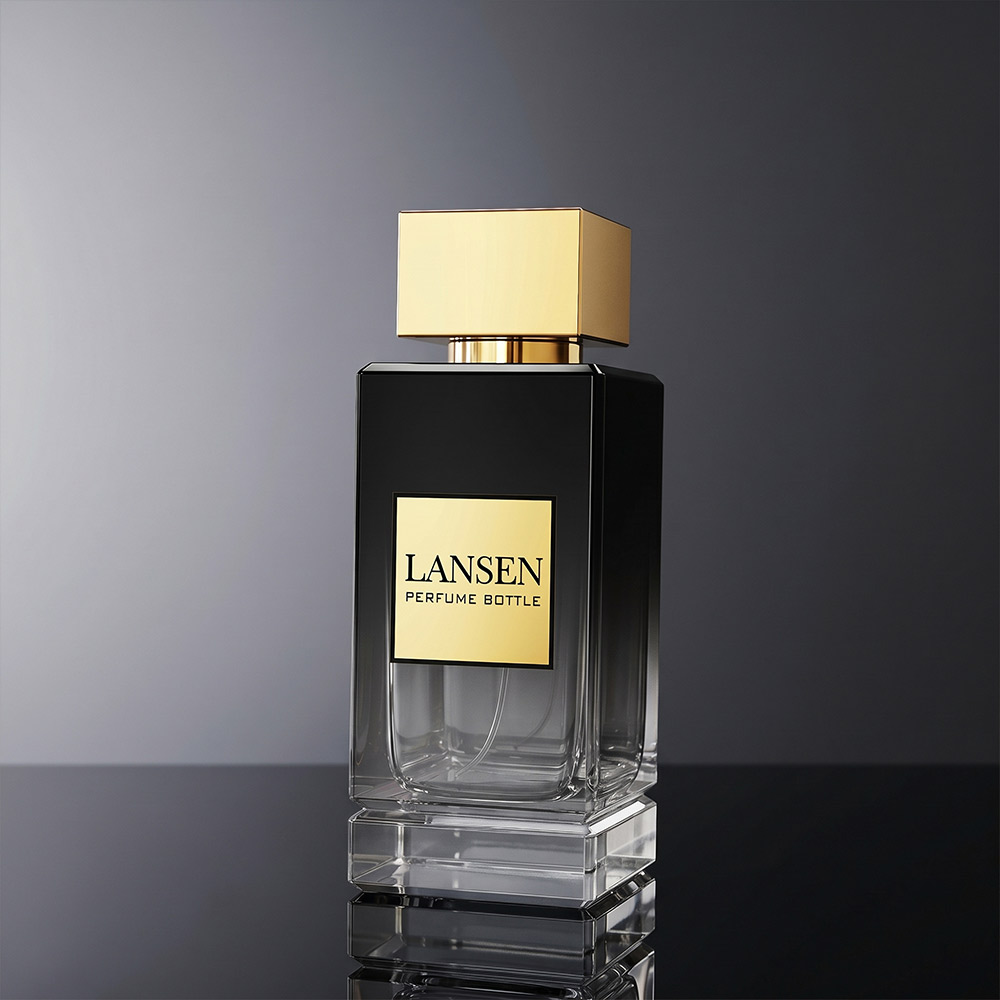
A 3D printed glass bottle prototype is a physical model printed from resin or photopolymer that mimics the transparency, finish and proportions of a real glass container. Most suppliers use SLA (stereolithography) printers because they deliver smooth, clear surfaces close to real glass. With PolyJet-style full-color printing, designers can even simulate frosted, painted or metallic finishes, validate brand colors and render sharp label graphics before production (Stratasys packaging solutions).
Prototypes come in two useful levels. A concept model checks visual design — silhouette, capacity perception and shelf appeal. A functional prototype goes further: it fits the actual cap, pump or dropper you plan to use, so you can confirm the neck finish, fill line and overall ergonomics.
One point buyers often confuse: the prototype is not made of glass and is not the production sample. True glass 3D printing exists only for specialized, small-scale parts — not for commercial bottle runs. The standard route is: 3D printed prototype for approval → trial mold → real glass sample → production. What the 3D print guarantees is that you never pay for a glass mold only to discover the shape is wrong.
Why Use 3D Printing for Custom Glass Bottle Prototyping?
Custom glass bottle prototyping has historically been slow because every new shape needs a metal mold. 3D printing removes that bottleneck from the design phase. In the widely cited Unilever and Serioplast project, SLA-printed molds for blow-molding pilot runs cut pilot-testing lead time from six to eight weeks down to two weeks, and tooling cost from USD 2,500–10,000 to USD 500–1,000 per mold (Formlabs). The same logic applies one step earlier: a printed perfume bottle or essential oil bottle prototype lets you judge a design in days instead of waiting weeks for a factory sample.
What the numbers say about 3D printed packaging prototyping
- ~2 days to print a pilot mold; 2 weeks for a 200-unit pilot run (vs. 6–8 weeks) — Unilever × Serioplast via Formlabs
- Up to 70% lead-time reduction and up to 90% tooling-cost reduction — same case study
- 60–80% lower packaging sample costs — PackAge the World, 2026
- Under 24 hours for many packaging mockups — Stratasys
Beyond speed, 3D printing supports parallel exploration: Serioplast’s R&D manager notes that where clients once waited up to 12 weeks for a single design, they can now test five designs in the same window. For brands, that means cheaper market testing, earlier consumer feedback and far fewer expensive mold revisions.
How Much Does a Glass Bottle Prototype Cost — and How Long Does It Take?
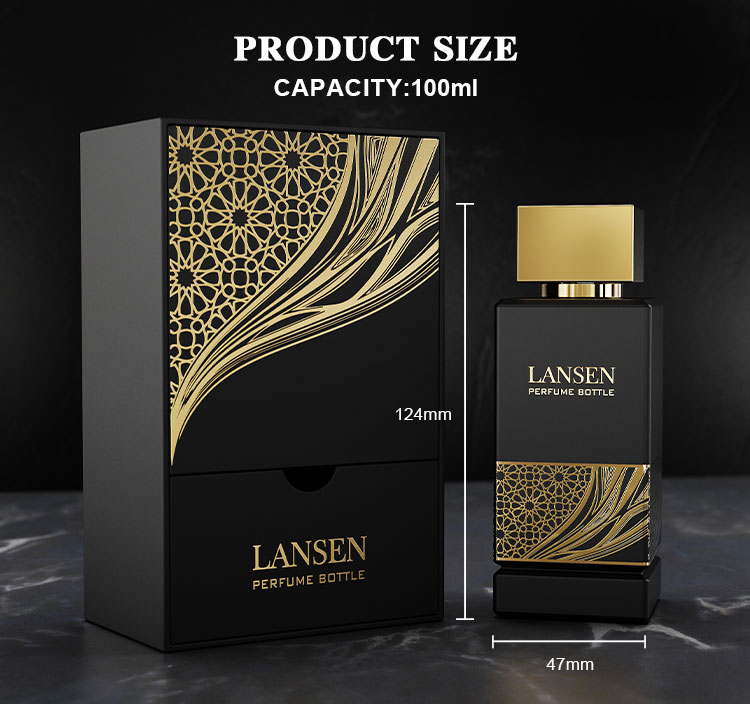
Cost and lead time depend on design complexity and how many revision cycles you need, but recent supplier benchmarks give clear, honest ranges. For example, one custom-bottle supplier delivers a 3D-printed bottle within 3 days for about USD 50 (New Ray Bottles), while a full factory prototype-development cycle typically spans 2–4 weeks from drawing approval to first sample (Darong Glass Bottles).
| Prototype route | Typical lead time | Typical cost | Best for |
|---|---|---|---|
| 3D printed resin prototype (from your CAD file) | 1–3 days; many mockups in <24 hours | From ~USD 50 per piece | Shape, size and finish approval before tooling |
| 3D printed pilot mold (blow-molding test runs) | Mold ~2 days; 200-unit pilot in ~2 weeks | USD 500–1,000 (vs. USD 2,500–10,000 machined) | Validating real-material bottles pre-production |
| Factory trial sample in real glass (new mold) | ~15–18 days for simple round designs; 2–4 weeks typical | Mold fee + sample fee, quoted per design | First real glass pieces with your decoration |
Sources: Formlabs, New Ray Bottles, Darong Glass Bottles, VetroPuro. Costs are indicative benchmarks; final quotes depend on capacity, neck finish and decoration.
What pushes a prototype quote up? Complex shapes that need extra print time, multiple revision rounds, full-color finish simulation, and testing with several cap or closure options. Conversely, if you start from a stock nail polish bottle or perfume bottle shape and only customize the decoration, you can often skip paid prototyping entirely and go straight to decorated samples.
From 3D Printed Prototype to Production: Finishes, Samples and MOQ
Once the 3D printed glass bottle prototype is approved, the supplier freezes the technical drawing — capacity in ml, wall thickness, neck finish and closure type — and makes a trial mold. The first real glass sample is then decorated exactly as the production bottle will be. This is the moment to verify your brand treatments: a frosted glass finish for a soft-touch premium feel, hot stamping for metallic logos, custom glass colors, or electroplated accents for high-end fragrance lines.
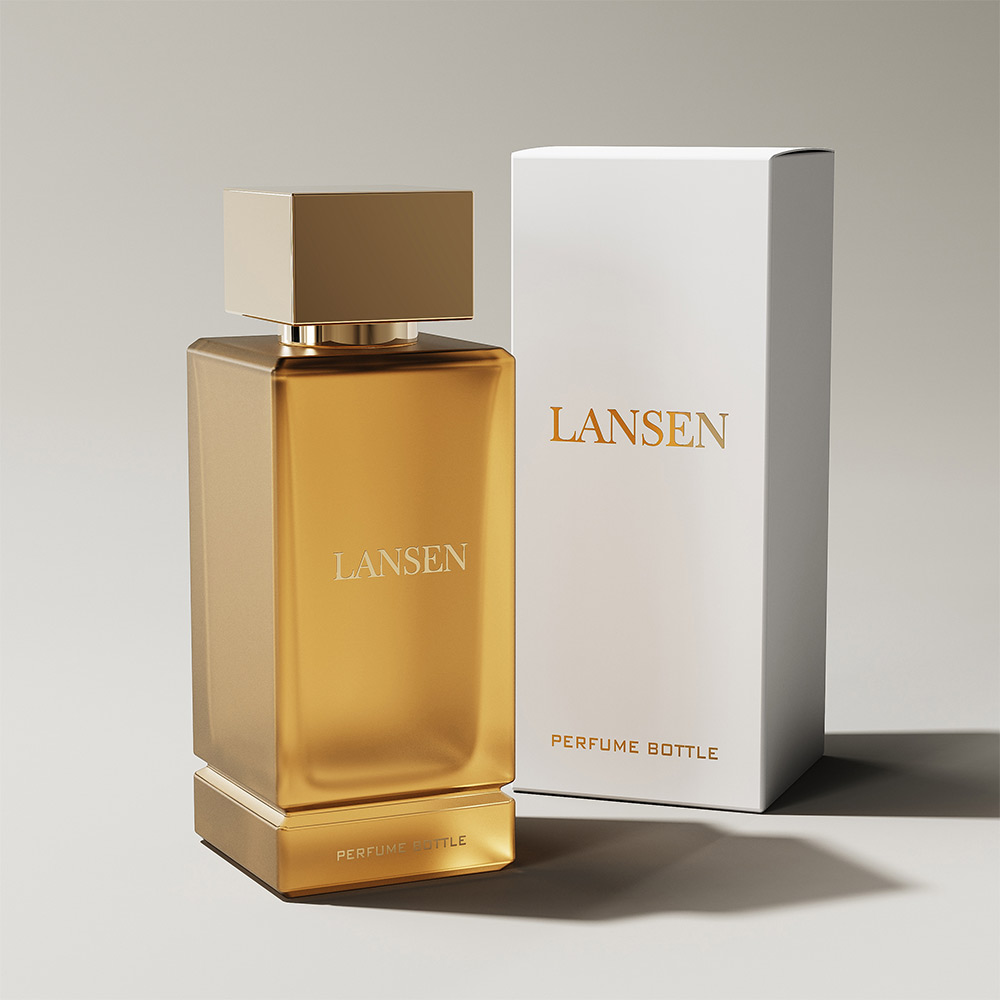
Two practical points on sampling and MOQ. First, decoration sampling (frosting, spraying, hot stamping) usually needs its own short lead time and may carry small color-trial fees — budget for one extra week. Second, a new mold normally requires a higher minimum order quantity because the mold cost is amortized across the run; if your volumes are small, ask for existing stock molds in your target custom color, which dramatically lowers both MOQ and lead time. Always request pre-production samples and agree on inspection criteria before mass production starts.
How to Start Your Custom Glass Bottle Prototype Project in 5 Steps
- Send a short product brief. Liquid type, target capacity (e.g. 30/50/100 ml), cap or closure preference, target price and expected yearly volume. This lets the factory recommend stock molds or custom tooling.
- Get 2D/3D design and engineering. The supplier drafts your bottle with correct wall thickness, headspace and a standard neck finish matched to your dropper, sprayer or pump.
- Review the 3D printed prototype. Fill it with water, fit the closure, and check it under store lighting. Iterate here — changes cost almost nothing at this stage.
- Approve the real glass sample. Check color, weight and the chosen decoration (frosted, hot stamping, spraying and more).
- Move to pilot production. Confirm MOQ, lead time, packaging and compliance documents (e.g. REACH/RoHS), then scale to full production with regular QC checks.
Every step above is part of our in-house 3D printing and prototyping workflow at Lianxin Bottle. We produce the 3D printed prototype, guide the trial mold and decorate the sample in the same facility, so you deal with one team from first sketch to shipping container.
Ready to prototype your next custom glass bottle? Send us your drawing or a reference photo, and we will come back with a design feasibility check, prototype cost and a dated sample plan — typically within one working day.