Custom glass bottle samples are the pre-production units that let you approve shape, capacity, neck finish, closure fit and decoration before a single bulk order is placed. The core answer for buyers is simple: sampling time and production time are two completely separate timelines. A sample proves the specification is physically correct; only after written approval does tooling or mass production begin. With the glass container market valued at USD 67.4 billion in 2026 and forecast to reach USD 94.2 billion by 2036, the race for shelf presence is tightening — and a thirty-minute sample review remains the cheapest insurance a brand can buy.
Key takeaways
- There are three sample levels — stock, decorated and custom-mould — and each carries a different cost and timeline.
- A sample must be evaluated fully assembled: bottle + pump, dropper, cap or collar together.
- Always keep a signed master sample after approval — it becomes the quality benchmark for every repeat order.
What Is a Custom Glass Bottle Sample? Three Levels Explained
A custom glass bottle sample is a physical unit produced so that a buyer can verify dimensions, glass appearance and component fit before commercial manufacturing. The most common first-order mistake is treating every sample as the same thing. In practice, suppliers work with three distinct sourcing situations, and the sample you receive depends entirely on which one applies to your project.
An in-stock bottle already exists in inventory. A standard bottle made from an existing mould has an established design and tooling, though current inventory and production scheduling still need confirmation. A custom moulded bottle requires dedicated product development and brand-new tooling built around your design. The distinction matters because it determines whether your sample can ship from a shelf or has to travel through a development cycle first.
| Sample level | What it confirms | Typical extra setup |
|---|---|---|
| Stock bottle sample | Shape, capacity, proportions, glass clarity, component fit | None — pulled from inventory |
| Decorated sample | Logo placement, colour direction, surface appearance, print quality | Artwork confirmation, colour reference, decoration run |
| Custom-mould sample | Proprietary silhouette, neck finish, wall distribution, component tolerances | Technical drawing, new tooling, glass sampling and adjustment |
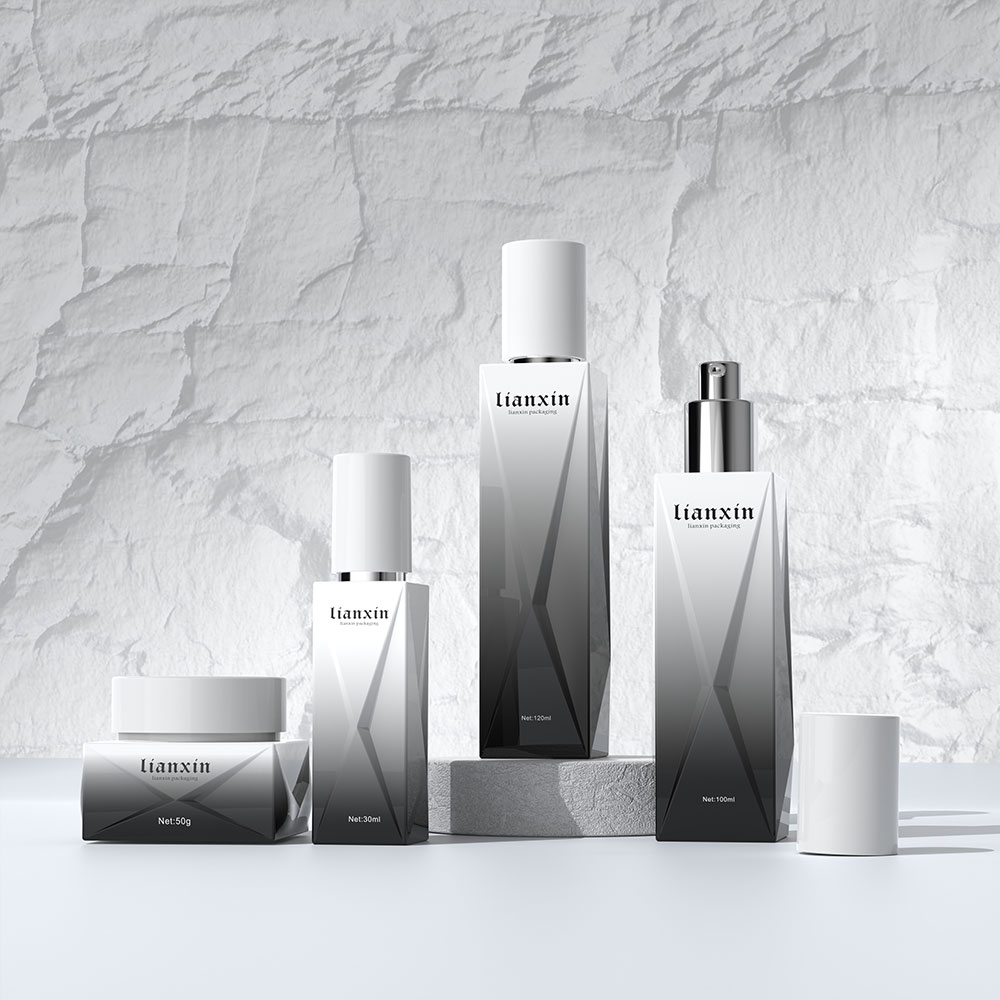
If your roadmap includes a serum, a lotion and a cream jar, say so at sampling stage. Coordinating closure colours and decoration styles across several SKUs at once is far cheaper than running three separate sample rounds later. Brands that want a distinctive look without a new mould should explore full glass bottle customization services, where an established bottle plus surface treatment usually delivers the same visual result at a fraction of the development cost.
What Drives a Glass Bottle Sample Fee? Three Cost Drivers
Custom glass bottle samples are not priced as a single line item — a sample fee is the sum of three decisions you make before the sample is ever produced. Knowing them lets you control the budget instead of discovering it on the invoice.
Glass packaging by the numbers
- USD 67.4 billion — global glass container market value in 2026 (Future Market Insights)
- USD 94.2 billion — forecast market value by 2036, growing at a 3.4% CAGR (same source)
- 10,000 pieces — an example of a low MOQ already achievable in cosmetic glass packaging (APG)
First, does the mould already exist? A stock or existing-mould sample carries only the cost of picking, packing and shipping. A custom-mould sample is priced very differently, because custom glass tooling introduces additional development stages that must be completed before anything can be sampled at all.
Second, how much decoration is involved? An undecorated sample requires no preparation. A decorated sample adds artwork confirmation, supply of colour references, and a decoration run so that the bottle can be approved visually. A project that combines custom colour with additional decorative elements follows a longer and more expensive flow than a single-colour logo. Techniques such as frosted glass bottle finishes, spray colour samples and hot stamping decoration each add their own setup step, so it pays to decide early which of them your brand genuinely needs.
Third, what is the MOQ behind the sample? This is the question that most often surprises first-time buyers. The useful version of “what is your MOQ?” is “what is the MOQ for each part of my complete configuration?” A finished cosmetic package may combine a glass bottle, pump, cap, dropper, collar and one or more decoration processes — and each part can follow different manufacturing processes, component supply chains and production requirements. A brand may find the perfect 30 ml serum bottle available from stock, only to discover that a custom coloured pump introduces a completely different purchasing threshold.
| Sample cost driver | Low-cost path | Higher-cost path |
|---|---|---|
| Tooling | Stock / existing mould | New custom mould |
| Decoration | Undecorated bottle | Custom colour + multiple decoration steps |
| MOQ exposure | Components all available from stock | Custom cap, collar or pump in a separate run |
| Freight | Consolidated courier | Split shipments for glasses and components |
How Long Do Custom Glass Bottle Samples Take?
Buyers should separate sampling time from commercial production time. That single habit prevents most launch-date failures, because a sample that takes two weeks to approve does not delay a shipment — but a sample requested after the launch date was set will.
A standard undecorated sample lets your team review bottle shape, capacity, proportions, glass appearance and component fit. A customised sample adds artwork confirmation, colour references and an actual decoration run for visual approval. A custom bottle follows the longest route — technical drawing confirmation, tooling, glass sampling, evaluation and adjustment — before commercial production can even be scheduled.
Five questions to ask your supplier about sampling time
- Which bottles and components are currently available?
- Which items require new production?
- Which customisation steps require physical samples?
- How much approval time should the brand reserve internally?
- When can commercial production begin after final approval?
Only the production leg of that timeline carries a published industry norm. As one cosmetic packaging manufacturer states, standard production time runs 15–20 days for non-custom orders and 30–45 days for custom designs such as logos or colours (MGG Group). Everything before that — sampling, artwork approval, colour evaluation — is project-specific. Quality review and export preparation also need their own place in the schedule. For B2B sourcing, a realistic lead time is therefore a project schedule rather than a single number.
What Should You Check in a Pre-Production Sample?
A sample is where the packaging specification becomes a physical product — and where the specification is either validated or quietly broken. Work through this checklist methodically rather than judging the bottle on appearance alone.
- Glass body: proportions, clarity, weight, base, shoulders, neck and overall appearance.
- Component fit: the neck finish must correspond with the selected closure system. Pumps and droppers should be evaluated as complete dispensing assemblies, including the correct dip tube or pipette configuration.
- Functional testing: leak testing, sealing, pump or dispensing performance, open-and-close experience, drop testing and component compatibility are standard checks. Real fill trials with the intended formula reveal interactions that an empty-bottle test simply cannot show — including leakage after filling, output performance and product stability inside the container.
- Durability testing: cosmetic glass bottles are typically put through drop tests, pressure tests and thermal shock tests to confirm they survive real handling and transport.
- Decoration: logo placement, colour direction, surface appearance, print quality and the visual relationship between the decorated bottle and its closure.
One pattern shows up repeatedly in first orders: brands approve each component separately. The glass bottle looks right, the cap looks right, the logo looks right — and once the package is assembled, the proportions or the colour relationship feel entirely different. A mark that looks balanced on a large design file can seem oversized once it appears on a 30 ml bottle, and a black pump or metallic cap changes how the whole colour composition reads.
“A finished cosmetic package may include the glass bottle, pump, cap, dropper, collar and one or more decoration processes. That means the purchasing threshold for the bottle may differ from the threshold for a custom cap or decorated surface.” — NAISI Packaging, procurement FAQ for beauty brands
From Sample Approval to Mass Production: Why One Round Is Rarely Enough
Approving a sample is not the finish line — it is the final checkpoint before scale. Engineers describe the development sequence as T1 → T2 → T3 → final validation → mass production. The T1 trial verifies the basic structure, dimensions, appearance and forming behaviour. If problems appear, the mould or structure is adjusted and a further trial is produced, focused on dimensional corrections, wall thickness, component fitting, mould release, surface quality or functional performance.
This is not inefficiency. Discovering a sealing or fit problem after 100,000 units have been produced is dramatically more expensive than discovering it at T1 — and the cost is not limited to reworking the mould. It spreads into re-supply, reassembly, repacking, reshipping, production delays and a delayed product launch. How many trial rounds your project needs depends on the complexity of the container.
Colour is the most common source of post-sample disappointment, because colour behaves differently on curved glass than on a screen. Final appearance depends on glass transparency, bottle geometry, glass distribution and lighting — a curved bottle reflects light differently from a flat-sided container, and a heavy base creates more visual depth than the main body. Describe the intended appearance, not just a colour reference: should it look opaque or partly transparent? Matte or gloss? If it is a gradient, where does the transition begin?
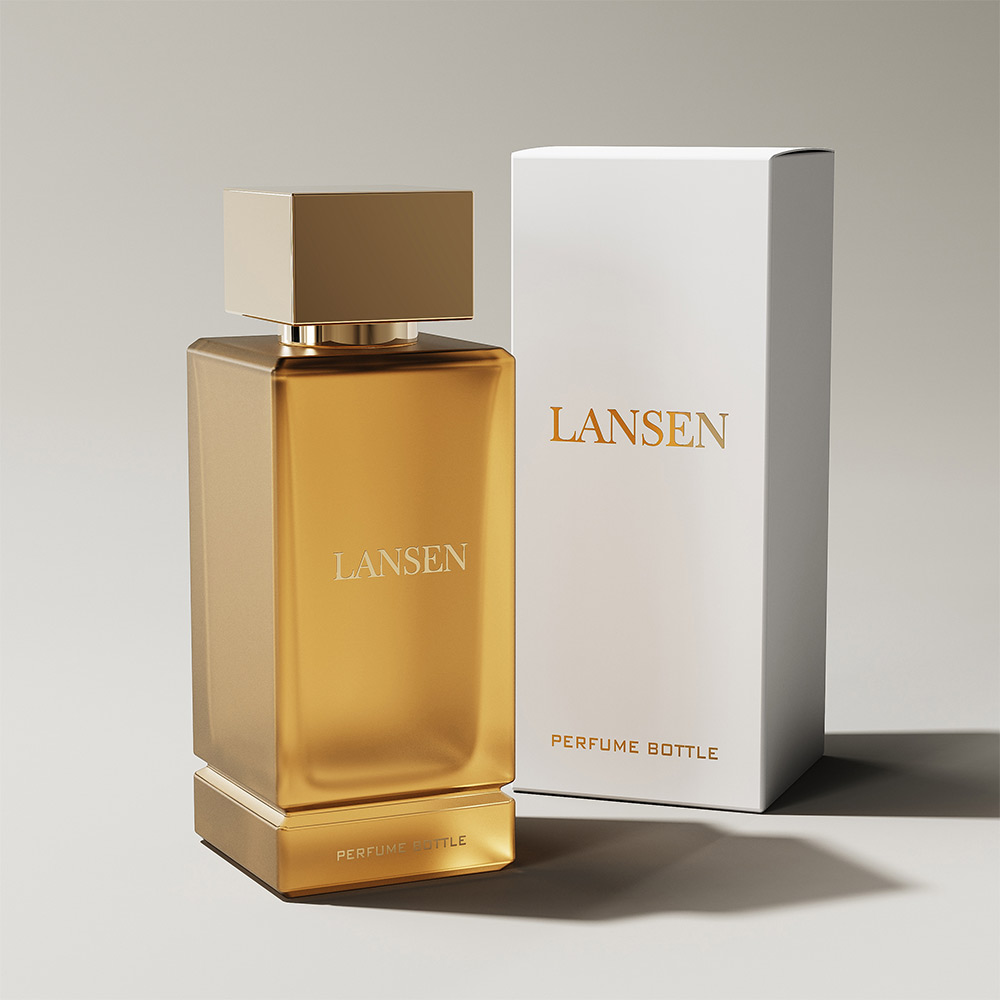
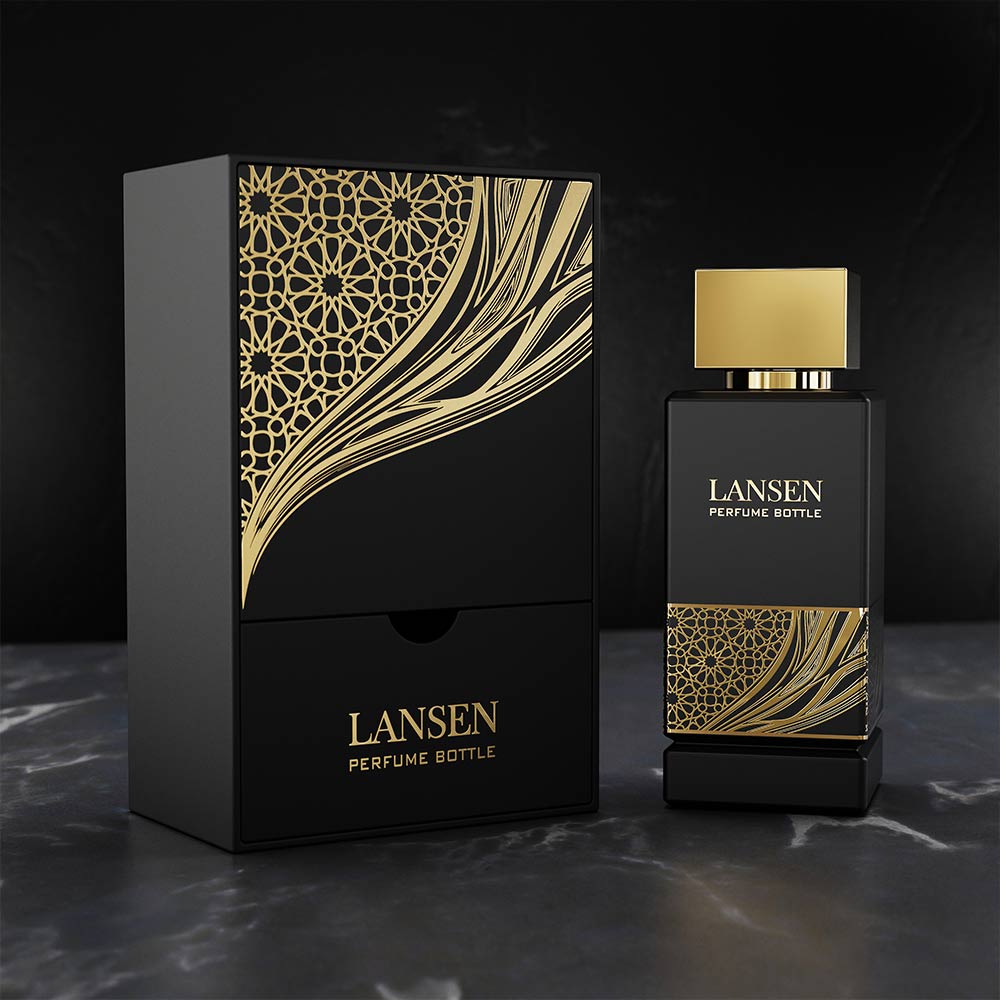
Teams developing a proprietary silhouette should also decide early whether exclusivity is worth the development cycle. 3D printed bottle prototypes let you evaluate proportions and handle a concept at full scale before committing to steel — a useful step before tooling. For fragrance projects, however, an established perfume bottle shape combined with coordinated closures and surface decoration is often the faster and more commercial route.
Your Sample Approval Checklist Before Releasing Production
Turn sampling into a documented milestone. Request samples that represent the configuration you are seriously pursuing for commercial production, not a convenient approximation. Confirm the container against essential oil bottle and nail polish bottle formats where relevant, because neck finishes and closure systems are not interchangeable across categories. Where a formula is involved, include compatibility evaluation with the actual fill; where fragrance is involved, assess the bottle with its sprayer, collar and cap.
Once your custom glass bottle samples pass inspection, retain a physical master sample. That sample becomes the production reference, supports future repeat orders, and gives both buyer and supplier an unambiguous benchmark when a future batch is questioned. It is the single cheapest quality-control tool available to a packaging buyer — and it costs nothing beyond the sample you have already paid for.
If you would like custom glass bottle samples from our current range, tell us your target capacity, neck finish and surface finish. Our engineering team prepares samples, decoration mock-ups and technical drawings so that every detail is confirmed on the bench before tooling begins.
Sources: Future Market Insights, Glass Container Market report (2026); NAISI Packaging, “What Cosmetic Packaging Buyers Always Ask Before Placing Their First Order” (2026); MGG Group, cosmetic glass dropper bottle production data; APG, cosmetic glass packaging MOQ and capacity data.