Understanding custom glass bottle cost is the difference between a launch that stays on budget and one that runs out of cash before the first shipment. In 2026, a standard 30ml glass dropper bottle with silk-screen decoration realistically lands at $0.55–$0.95 per unit at a 5,000-unit order, while a 50ml luxury perfume bottle runs $1.80–$4.50 — and both figures sit before the one-time mold fee of roughly $2,500–$5,000. Custom glass bottle cost is not one number; it is four stacked layers (raw material, tooling, decoration, logistics), and only when you can see each layer can you negotiate the quote in front of you. This guide breaks down each layer with 2026 price data.
The short answer on custom glass bottle cost:
- Unit price at 5,000 pcs: 30ml glass dropper bottle $0.55–$0.95 · 30ml airless pump $0.80–$1.40 · 50ml luxury perfume bottle $1.80–$4.50 (FOB China)
- One-time tooling: $2,500–$5,000 for a blow mold; $10,000–$25,000+ for multi-cavity production molds
- Decoration: $0.04–$0.08 per unit for one-color silk screen; $0.25–$0.60 for full electroplating
- The number buyers miss: true landed cost typically runs 30–80% above the quoted unit price once freight, duty and compliance are included
How Much Does a Custom Glass Bottle Cost in 2026?
The honest answer is a range, because glass container pricing is driven by material grade, geometry and volume simultaneously. According to a 2026 pricing analysis published by Reihey Glass, mass production of a standard glass bottle generally falls between $0.10 and $1.50+ per unit, and the tier your bottle lands in is decided long before you request a quote.
The demand behind those prices keeps expanding. Fortune Business Insights projects the global cosmetic packaging market to grow from $59.88 billion in 2026 to $89.72 billion by 2034 at a 5.19% CAGR, while Mordor Intelligence sizes cosmetic and perfumery glass bottle packaging at USD 2.73 billion in 2026, expanding at 4.61% CAGR. More volume in the system means more mold capacity booked — which is why mold fees are the first thing to lock down.
Reference custom glass bottle cost by format (ODM molds, silk-screen decoration, 5,000 units, FOB):
| Container format | Capacity | Material | Unit cost (FOB) |
|---|---|---|---|
| Glass dropper bottle | 30ml | Type III amber glass | $0.55–$0.95 |
| Airless pump bottle | 30ml | PP outer + LDPE piston | $0.80–$1.40 |
| Acrylic cream jar | 50ml | PMMA + PP inner jar | $1.20–$2.20 |
| Luxury perfume bottle | 50ml | Type III clear glass + metal collar | $1.80–$4.50 |
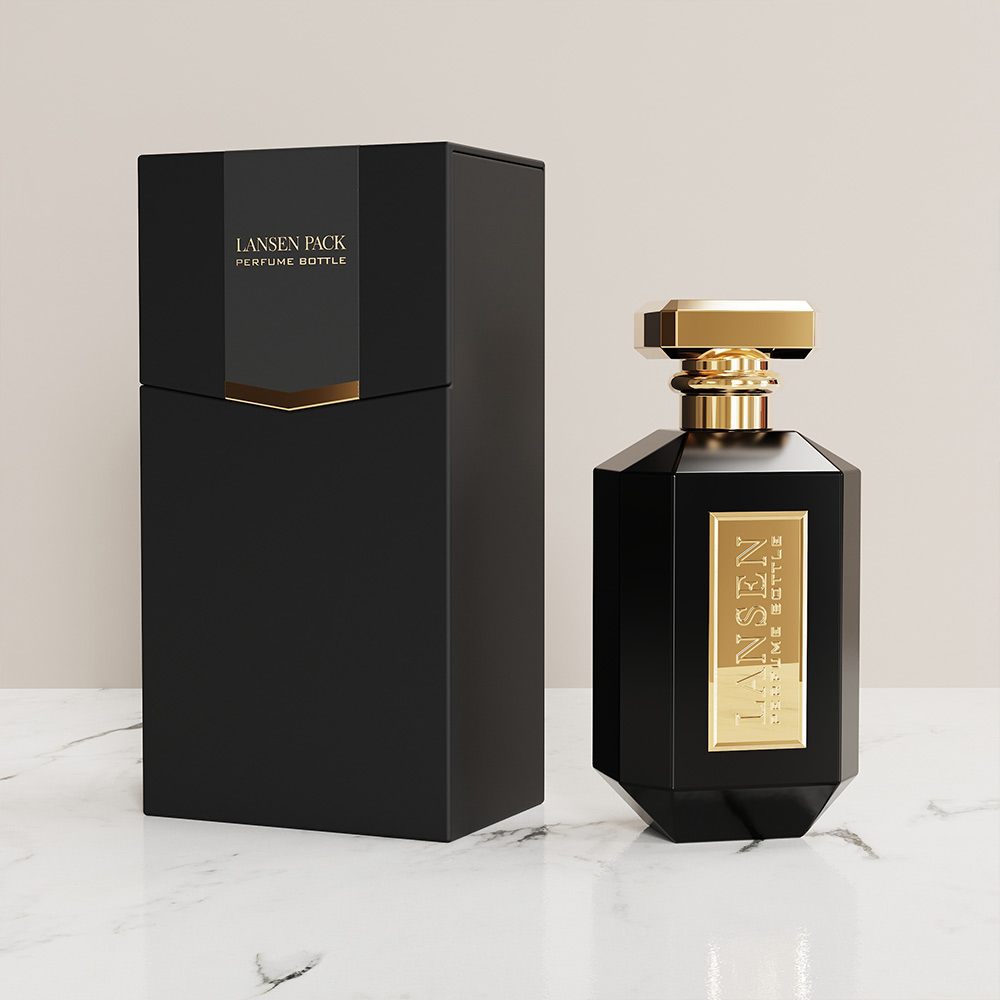
The spread inside a single row is not supplier markup — it is specification. Two quotes for “a 50ml glass bottle” can differ by 60% because one is standard flint with a stock neck finish and the other super-flint with a custom collar. So when comparing glass bottle price per unit, compare the specification first. Our guide to custom glass perfume bottle manufacturing covers capacity, neck finish and closure selection before you commit to tooling.
Custom Glass Bottle Mold Cost: How Tooling Changes Your Unit Price
Mold cost is the largest one-time line item in any custom glass bottle project. Reihey’s 2026 data puts a proprietary custom mold at $3,000–$8,000+ per set, sample molds at $1,500–$3,500 and multi-cavity production molds at $10,000 to over $25,000 — the benchmark for anyone pricing how much it costs to make a glass bottle. A separate cosmetic packaging cost breakdown from Beauty Bottles (Auber Packaging) benchmarks a glass bottle blow mold at $2,500–$5,000.
What matters more than the sticker price is how that fee is amortized. The same $3,000 tooling charge adds $0.60 per unit across 5,000 bottles but only $0.15 per unit across 20,000 — so an identical component can be quoted very differently to two brands. Tooling is fixed cost; volume is the only variable that dilutes it.
| Tooling type | Cost range | Amortized at 5,000 pcs | Amortized at 20,000 pcs |
|---|---|---|---|
| Sample / prototype mold | $1,500–$3,500 | $0.30–$0.70 | $0.08–$0.18 |
| Production blow mold (glass) | $2,500–$5,000 | $0.50–$1.00 | $0.13–$0.25 |
| Multi-cavity production mold | $10,000–$25,000+ | $2.00–$5.00 | $0.50–$1.25 |
Two points before you sign off on a mold: confirm who owns the mold, because a tool you paid for but cannot transfer creates permanent dependency on one factory, and ask about mold life — production tooling typically survives 500,000 to 1,000,000 shots. A 3D printed prototype costs a fraction of a sample mold for pre-tooling validation. Full custom glass bottle customization — neck-finish engineering through decoration — is where most tooling decisions get made.
Decoration Cost per Unit: Silk Screen, Frosting, Hot Stamping and Electroplating
Decoration is where custom glass bottle cost is most negotiable — and least comparable between quotes. Based on the Auber Packaging breakdown, decoration adds anywhere from four cents to sixty cents per unit at a 5,000-piece MOQ:
| Decoration process | Cost addition per unit | One-time setup fee |
|---|---|---|
| Silk screen, 1 color | $0.04–$0.08 | $80–$150 per color |
| Silk screen, 2–4 colors | $0.08–$0.18 | $80–$150 per color |
| Hot stamping (1 foil) | $0.08–$0.15 | $150–$300 per die |
| UV printing (full color) | $0.12–$0.22 | $50–$100 artwork setup |
| Frosted / matte surface | $0.06–$0.12 | None (batch process) |
| Electroplating (full bottle) | $0.25–$0.60 | $200–$400 |
| Silk screen + hot stamping | $0.14–$0.28 | $230–$450 |
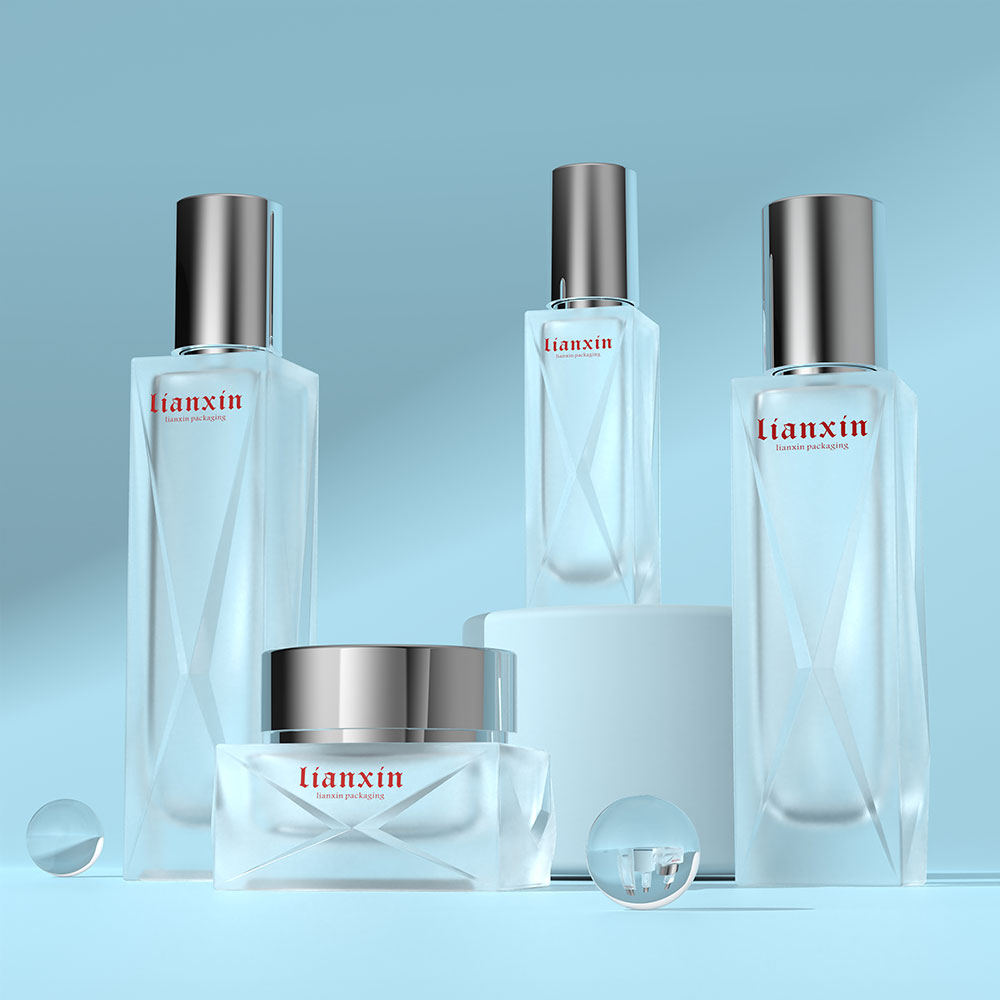
Two rules follow. First, decoration costs are non-linear: a second process adds roughly 60–80% of the first, not double, because of extra handling, curing and inspection. Second, decoration is usually the wrong place to cut. A $0.12 hot stamping step supporting a $3–$5 retail premium beats shaving three cents off a frosted glass finish that carries the brand’s tactile identity. Compare matte and frosted looks against electroplated finishes and color spraying — and note that a custom Pantone color match carries its own one-time fee of roughly $80–$200.
Glass Bottle MOQ and Price Tiers: Why Volume Changes Everything
Glass furnaces run continuously above 1,500°C, so factories cannot economically stop and restart a line for a small run. That physical reality is the origin of every MOQ in the industry. Per Reihey’s 2026 figures, standard bottle MOQs fall between 20,000 and 50,000 units, while complex or custom shapes frequently require 100,000 units or more. The reward is substantial: moving from 20,000 to a 100,000-unit tier can cut cost per bottle by up to 50%.
Three volume zones that shape custom glass bottle cost (Auber Packaging pricing analysis):
- 500–2,000 units (high unit cost): tooling amortization dominates; unit prices run 2–4× higher than at scale — justifiable for market testing or a hero SKU launch.
- 3,000–10,000 units (the sweet spot): tooling is diluted and machine setup is justified — where most B2B brands find the best balance of unit economics and inventory risk.
- 10,000+ units (economies of scale): savings flatten and shift to negotiated raw-material pricing and dedicated scheduling.
One variable that shifts custom glass bottle cost more than most buyers expect is who you buy from. The same product quoted by a factory and by a trading company typically differs by 15–35%, because the trading company adds a margin layer without adding manufacturing value. Ask directly whether the supplier owns its furnace, mold shop and decoration line. If your annual forecast is genuinely above 20,000 units, ask about an annual purchase agreement — commitment-based pricing commonly earns 5–15% off spot rates.
Hidden Costs: Landed Cost vs FOB Price
This is where budgets break. Packfolio notes that quoted unit prices are almost always lower than the true cost of getting packaging warehouse-ready, and that the resulting gap can easily represent a 30–80% cost increase over quoted custom glass bottle cost — usually discovered pre-launch, at the worst possible moment.
| Cost item not always quoted | Typical range | When it applies |
|---|---|---|
| Sample fee | $50–$200 per sample set | All orders; sometimes refunded |
| Artwork / film setup | $30–$100 per color | First order with new artwork |
| Hot stamping die fee | $150–$300 per logo | Foil decoration orders |
| Custom color matching | $80–$200 | Pantone colors, custom masterbatch |
| Mold modification | $200–$800 | Design changes after mold sign-off |
| Rush production surcharge | 10–25% of production cost | Lead time below standard |
| Inland freight to port | $80–$200 per shipment | Often excluded from FOB quotes |
Then there is freight and duty. The same source benchmarks 2026 LCL sea freight from China to the US West Coast at $180–$320 per CBM — only about $0.03–$0.08 per unit on a 5,000-unit order of 30ml bottles. Import duty is not: US import tariffs on cosmetic packaging from China have ranged from 25% to 145% depending on HS code classification and applicable trade measures, so always compare suppliers on landed cost rather than FOB price alone.
Always request a total landed cost estimate — unit price, tooling, decoration setup, sample fee, freight and estimated duty in one table. It is the fastest way to make two quotes comparable.
How to Reduce Custom Glass Bottle Cost Without Losing Quality
Every lever below comes from the same 2026 cost data — none requires downgrading the product:
- Start ODM, then move to OEM. Using a factory’s existing mold eliminates the tooling fee entirely during market validation; commission your proprietary mold once sales revenue funds it.
- Increase recycled glass content where formula allows. Reihey reports that every 10% of cullet in the batch reduces energy costs by roughly 2.5–3%.
- Lightweight the design. A 10–15% reduction in bottle weight translates directly into lower freight charges and more units per container before hitting weight limits.
- Standardize neck finishes. Stock closures avoid cap tooling and keep you multi-sourced.
- Optimize decoration, don’t delete it. Swapping four-color silk screen for two colors plus one hot-stamped logo cuts ink and registration risk while keeping the luxury signal.
- Ship off-peak. Sea freight rates spike 30–60% in September and October ahead of Golden Week; producing in February–March or May–July avoids that premium.
Sequenced correctly, these levers compound: an ODM mold removes tooling, a standard neck finish removes cap tooling, lighter glass cuts freight, and an annual volume commitment lowers the unit price — all without adding a cent of unnecessary custom glass bottle cost. Where the finish carries real brand value, keeping the flocking or glass dropper bottle specification intact is usually the higher-return choice.
Getting an Accurate Custom Glass Bottle Quote
Four questions separate a negotiation from a guess:
- “Is this FOB or CIF?” FOB ends at the Chinese port; CIF adds freight to your destination port but not duty or delivery. Convert both to landed cost before comparing.
- “What is included in the tooling fee, and who owns the mold?” Ownership decides whether you can ever move production.
- “What one-time setup fees are not in this quote?” Artwork, dies, color matching and samples should be listed proactively.
- “What is the all-in unit cost including decoration, packaging and inland freight to port?” This is the only valid basis for comparing custom glass bottle cost across suppliers.
Custom glass bottle cost stops being intimidating once it is split into material, tooling, decoration and logistics, with tooling amortized across realistic volume and everything priced to your warehouse door. Brands that do this consistently pay less for the same bottle — not because they negotiated harder, but because they knew which line item to question.
Need a transparent, itemized quote for your bottle project?
Cost benchmarks reference 2026 pricing published by Reihey Glass, Beauty Bottles (Auber Packaging), Packfolio, Fortune Business Insights and Mordor Intelligence. Actual quotations vary with specification, glass grade, volume and prevailing raw-material and freight rates.