Refillable glass bottles are reusable primary containers built to be filled more than once instead of discarded after a single cycle. In practice a refill program pairs a durable outer bottle — usually 50 ml or 100 ml glass — with a refill format: a rigid refill insert, a flexible refill pouch, or a larger top-up bottle sold at a lower price. Brands adopt the model for three reasons: less packaging weight per use, a recurring revenue line, and a defensible sustainability story for EU retail buyers who now pay eco-modulated packaging fees. The trade-offs are upfront tooling and a much stricter leak specification.
Short answer for buyers:
- Format: decide the refill type first (insert, pouch or top-up), because it dictates the neck finish, the inner cavity and the filling line.
- Bottle: a stock-mold bottle with a standard screw neck is the fastest, cheapest route to a refillable glass bottle program.
- MOQ: industry benchmarks for luxury cosmetic glass sit around 5,000 pcs standard and 10,000 pcs for custom colour, so plan decoration budget accordingly.
- Compliance: EU PPWR has applied since 12 August 2026, with design-for-recycling required by 2030 — refill and reuse are the cheapest way to cut per-use packaging weight.
What Makes a Glass Bottle Refillable?
Not every bottle design survives a refill program. Three properties decide whether refillable glass bottles work in the field or come back as complaints.
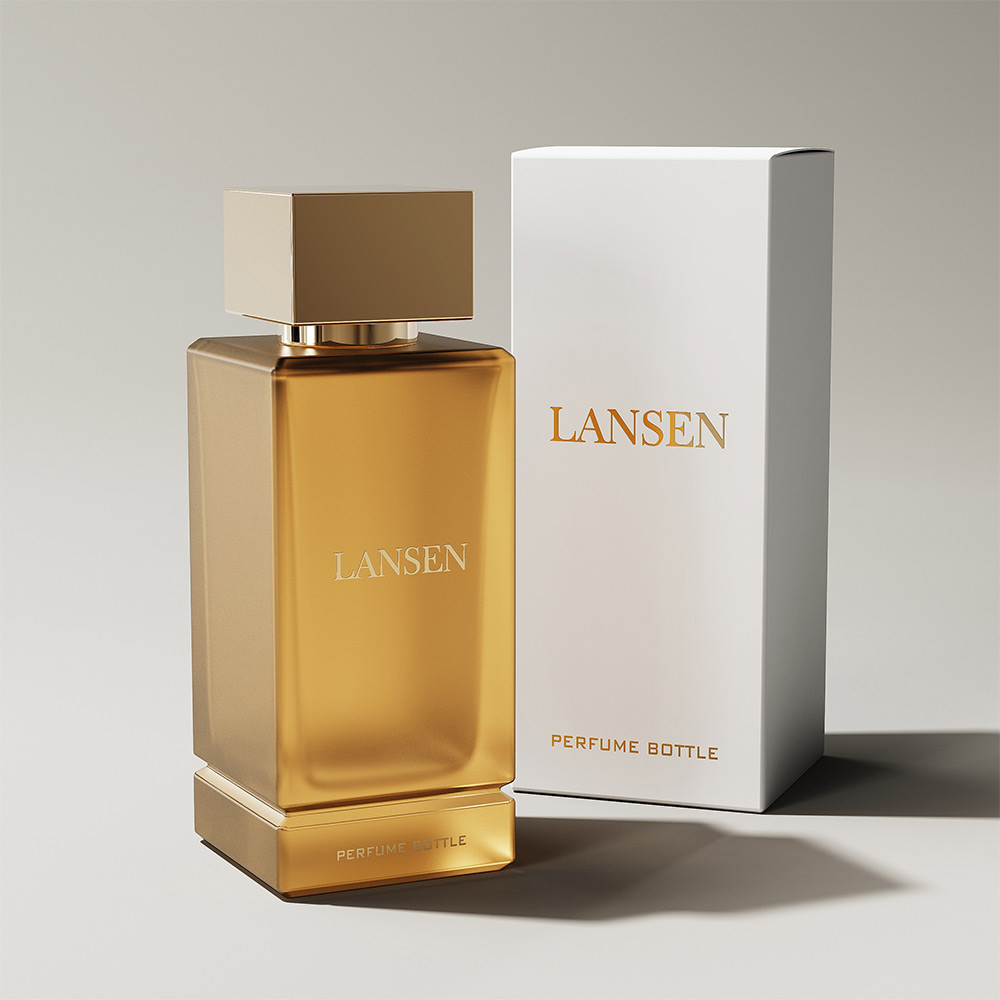
1. A durable outer wall. The outer bottle is handled far more often than a single-use pack — opened, wiped, refilled, dropped. Lightweight bottles that pass a one-trip drop test can still chip at the neck after several cycles. Buyers running refill programs usually specify a heavier wall and a thicker base than they would for a one-shot launch, and they prefer a frosted glass bottle finish because frost hides scuffs and fingerprints that accumulate with repeated handling.
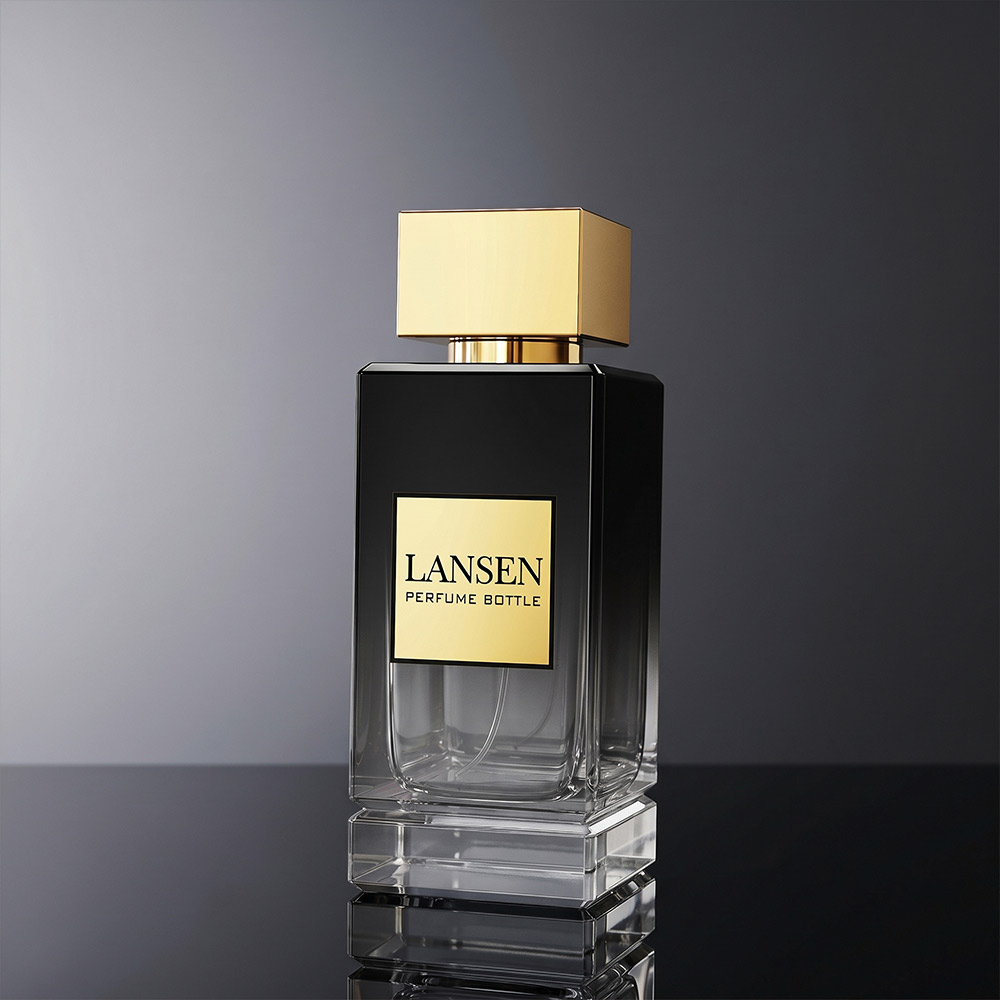
2. A refill interface that does not depend on the closure. On a refillable glass bottle the pump, sprayer or dropper is part of the durable asset, so the neck must hold torque after multiple open-and-close cycles. A standard screw neck allows the consumer to unscrew the dispenser, refill and re-seat it without a new component. Crimped perfume necks are cheaper per unit but effectively one-way; if the fragrance is crimped, the refill has to happen through the base or through a separate refill insert.
3. A cavity the consumer can actually fill. Narrow-mouth bottles look elegant and are miserable to refill without a funnel. This is where custom bottle development earns its cost: a wider throat, a visible fill line and a shoulder that does not trap product all reduce support tickets more reliably than any instruction leaflet.
Refill Systems Compared: Insert, Pouch or Top-Up Bottle
Most refillable glass bottle projects fail at the format decision, not at the bottle. The table below compares the three mainstream options so you can match the format to your filling line and price architecture.
| Refill format | How it works | Best for | Impact on the glass bottle |
|---|---|---|---|
| Rigid refill insert | A thin-walled inner cartridge snaps or screws into the outer shell | Prestige skincare and fragrance where the outer shell is the brand asset | Requires a matched shell tolerance and a removable base or wide neck |
| Refill pouch | Flexible pouch or sachet of product poured into the retained bottle | Body care, cleansers, high-volume SKUs sold online | Needs a wide throat and a clean pour lip; lowest refill unit cost |
| Top-up bottle | A larger glass or PET bottle sold separately as the refill | Indie perfume and essential oil brands testing a refill line | Same neck finish as the retail bottle keeps one dispenser family |
For fragrance, the top-up route is the least disruptive refillable glass bottle format. A brand can keep its 30 ml and 50 ml retail bottles and add a 100 ml refill in the same perfume bottle family, so the consumer decants into a refillable glass bottle they already own. The refill insert route costs more tooling but produces the strongest unboxing, which is why prestige skincare brands use it.
What Is the MOQ for Custom Refillable Glass Bottles?
There is no single MOQ for refillable glass bottles, because the number is driven by moulds and decoration setup rather than by the bottle itself. Public benchmarks from Chinese luxury cosmetic packaging suppliers put standard orders at roughly 5,000 pcs, rising to about 10,000 pcs when a custom glass colour is required, since colour is a furnace-level batch decision rather than a decoration step.
The practical rule for refillable glass bottles is to separate the two cost drivers:
- Mould: a new mould is a one-off tooling charge and normally commits you to a higher first order; an existing mould removes that barrier entirely.
- Decoration: each decoration — spray colour coating, screen print, hot stamp, label — carries its own setup and usually its own minimum, which is often higher than the bottle minimum.
Because a refill program needs both an outer bottle and a refill container, budget the MOQ for each SKU separately. Most first-time refillable glass bottle projects start from a stock mould for exactly this reason: it keeps the launch quantity inside a range the brand can actually absorb.
A common mistake is quoting the outer bottle only and discovering at PO stage that the refill pouch or insert has a separate minimum that doubles the launch quantity.
Refill Design Rules That Prevent Leaks and Returns
Leaks are the number one reason refill programs get cancelled after one season, and the cause is usually a closure detail rather than the bottle body. These are the checks worth writing into the specification for any refillable glass bottle order:
- Neck finish tolerance: specify the neck finish by code and tolerance band, not by a photo. Mismatched necks are the most common cause of a dispenser that threads on but does not seal.
- Closure torque after cycling: test the pump or cap at the torque the consumer will actually apply, and repeat the test after ten open-close cycles rather than on a virgin sample.
- Liner compatibility: the liner has to suit the formula, not just the closure. Alcohol-heavy fragrance and oil-based serums attack different liner materials.
- Insert retention: for snap-fit refill inserts, verify pull-out force on the finished assembly, not on the component drawing.
- Headspace and fill line: a refill poured by a consumer will be overfilled. Leave headspace and mark a fill line on the mould or the label.
- Drop and transport testing: a refillable bottle is reused, so test transit of the filled refill as well as the outer bottle.
If your product is an oil or serum rather than a fragrance, the same rules apply but the closure family changes — see our guide to essential oil bottles for dropper and reducer options that survive refilling.
Do Refillable Glass Bottles Help With PPWR Compliance?
Refillable glass bottles help, but not in the way most suppliers claim. The EU Packaging and Packaging Waste Regulation (PPWR) entered into force on 11 February 2025 and has applied since 12 August 2026. Its mandatory reuse and refill obligations are aimed at beverage, e-commerce and hospitality packaging — not at cosmetic bottles. For beauty brands the pressure arrives through three other doors: design-for-recycling by 2030, eco-modulated EPR fees that penalise hard-to-recycle formats, and the 2030 ban on single-use plastic hotel toiletry bottles, which pushed a large slice of the amenity market toward refillable dispensers.
Market and regulatory data behind the refill shift
- Global refillable packaging market: USD 48.49 billion in 2026, forecast to reach USD 69.62 billion by 2035, a 4.1% CAGR (Towards Packaging, 4th edition, updated 19 October 2026).
- PPWR: all packaging must be designed for recycling by 2030, and recyclable plus effectively recycled at scale by 2035.
- EPR fees are eco-modulated — easier-to-recycle packaging pays less, hard-to-recycle formats pay more.
- Single-use plastic packaging bans from 2030 explicitly cover hotel toiletry bottles, a category that has moved to refillable dispensers.
The PPWR formally entered into force on 11 February 2025 and has been applicable since 12 August 2026. Implementation will be phased, with additional technical requirements introduced gradually between 2026 and 2030.
The honest reading for a cosmetics brand: a refillable glass bottle will not by itself make you PPWR-compliant, but it lowers packaging weight per use and removes the refill unit from the single-trip waste stream, which is exactly what eco-modulated fees reward. Buyers who need the primary market data should read the Towards Packaging refillable packaging forecast directly.
Cost per Use: The Business Case for a Refill Program
A refillable glass bottle costs more than a single-use bottle, and it should. The economics only work when you price the outer bottle as a durable good and the refill as the consumable. Three levers decide whether the model pays back:
- Refill unit cost. The refill carries no glass decoration and no outer carton, so its landed cost is materially lower than the retail bottle. That gap is your margin room.
- Repeat purchase frequency. A refill only pays back if the consumer comes back. Fragrance and serum, consumed daily, refill faster than a once-a-week product.
- Weight per use. Shipping a pouch or a concentrate instead of a full decorated bottle reduces freight and packaging weight per delivered millilitre — the metric EPR fees are increasingly built on.
Where refillable glass bottle programs lose money is on the outer bottle specification. Over-decorating the durable shell — multiple passes of coating plus foil plus a rigid box — pushes the price of the bottle the consumer is supposed to keep for years, and the refill can never earn that back.
Refill Program Checklist Before You Place an Order
Use this sequence for every refillable glass bottle SKU in the launch, and repeat it whenever you add a new refill size to the range.
- Choose the refill format and confirm it works with your existing filling line.
- Lock the neck finish code and tolerance, then match every dispenser to it.
- Decide whether you are using an existing mould or paying for a new one.
- Get separate quotes and separate MOQs for the outer bottle, the refill and each decoration.
- Approve a physical pre-production sample, filled and drop-tested, not a rendering.
- Write leak, torque-after-cycling and insert-retention tests into the purchase order.
- Check the refill carton against PPWR labelling and recyclability requirements before print.
If you are still choosing between glass and a lighter material for the refill unit, compare the full packaging system rather than the bottle alone — the weight and fee impact usually differs from what the unit price suggests.
Planning a refillable glass bottle program?
Send us your bottle size, refill format and target launch quantity — we will come back with mould options, MOQ and a sample timeline.
Related reading on this site: custom glass bottle development, perfume bottles, frosted finishes.