Glass vs plastic cosmetic packaging comes down to one trade-off: glass delivers barrier protection, chemical inertness and premium shelf presence, while plastic delivers lower unit cost, lighter freight and better drop resistance. For premium skincare, serum, fragrance and nail products, glass is the better default — and the market is moving that way. Glass is growing at 8.32% CAGR to 2031, faster than the cosmetic packaging category as a whole (Mordor Intelligence).
This guide turns that trade-off into figures you can put in a costing sheet: unit cost, MOQ, lead time, breakage in parcel networks, decoration options, and the EU and California rules that shape material choice.
Quick answer for busy buyers:
- Choose glass when the formula is light-sensitive or reactive, the retail price point is premium, or you plan a refill programme.
- Choose plastic when unit cost and freight weight dominate your P&L, when MOQ must stay very low, or when the product must survive single-parcel courier shipping without extra protection.
- Hybrid packs (glass body + plastic pump, or glass jar + aluminium lid) dominate at scale, because the closure — not the body — drives most of the cost.
What Is the Difference Between Glass and Plastic Cosmetic Packaging?
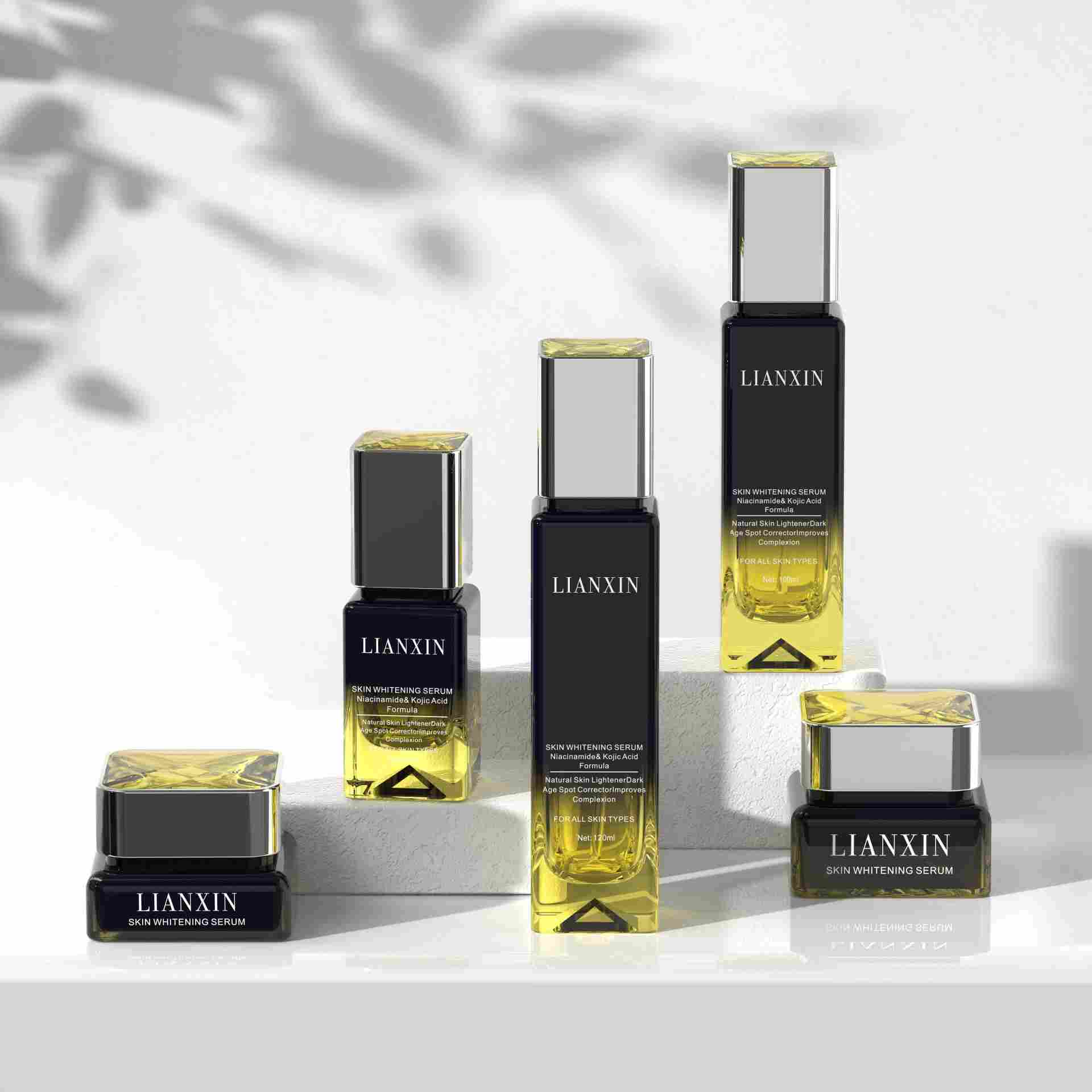
When buyers compare glass vs plastic cosmetic packaging, the real difference lies in four practical dimensions: how the material protects the formula, how it survives the supply chain, what it costs per unit, and how a consumer reads it on shelf.
Glass is melted at roughly 1,500 °C and formed into a monolithic wall. With no seams and no liner, it is chemically inert: it will not interact with fragrance oils, essential oils, acids or alcohol-based formulas, and needs no internal coating. Plastic containers are moulded from PET, PP, PE or acrylic, and their performance depends on wall thickness, resin grade and any barrier layer added inside.
Both materials are growing, at different speeds. Fortune Business Insights values the global cosmetic packaging market at USD 57.55 billion in 2025, rising to USD 89.72 billion by 2034 at a 5.19% CAGR, and projects the plastic segment to account for 50.37% of the market in 2026. Within that same market, Mordor Intelligence forecasts glass compounding at 8.32% CAGR through 2031 as prestige brands lean into heft, scratch resistance and recyclability.
Here is how glass vs plastic cosmetic packaging compares on the factors that drive a supplier brief:
| Decision factor | Glass | Plastic (PET / PP / acrylic) |
|---|---|---|
| Formula protection | Inert, non-porous, no liner needed; supports hot filling | Depends on resin and barrier coating; PET reacts with some solvents |
| Light-sensitive formulas | Amber and opal glass block UV without added coating | Usually needs opaque colourant or UV additives |
| Weight & freight | Heavier per unit; loading and landed cost must be modelled early | Lighter; lower freight and lower e-commerce dimensional weight |
| Transit breakage | Needs cell dividers and drop-tested export cartons | Resists impact better; preferred for single-parcel shipping |
| Unit cost at scale | Higher material and energy cost per unit | Lower cost per unit; gap widens at high volumes |
| Tooling & MOQ | Stock moulds allow low entry volumes; custom moulds add tooling cost and raise MOQ | Injection moulds are cheaper to cut; very low MOQs available |
| Decoration | Frosting, colour spraying, screen printing, hot stamping, electroplating | Limited to in-mould colour, pad printing and labelling |
| Perceived value | Read as premium; tactile weight signals quality | Read as value-oriented unless heavily decorated |
Is Glass Better Than Plastic for Skincare Formulas?
Is glass better than plastic for skincare formulas? For leave-on products — serums, facial oils, essences and treatments — yes, and the glass vs plastic cosmetic packaging question is decided by three technical factors.
1. Chemical inertness. Glass does not leach, absorb or react with the formula. High-percentage vitamin C, retinol, essential oils and alcohol-based toners sit in a container that adds nothing and takes nothing out. Some plastic resins can absorb fragrance notes over time and migrate monomers into oil-based formulas.
2. Oxygen and moisture barrier. A glass wall is essentially impermeable, which removes one variable from stability testing: you are testing the formula, not the package’s barrier layer.
3. Light management without additives. Amber and opal glass reduce UV transmission at the material level, which is why so many natural skincare brands specify amber. With plastic you usually achieve the same result by adding opaqueness to the resin, moving the pack further from the clean, transparent look that performs on shelf.
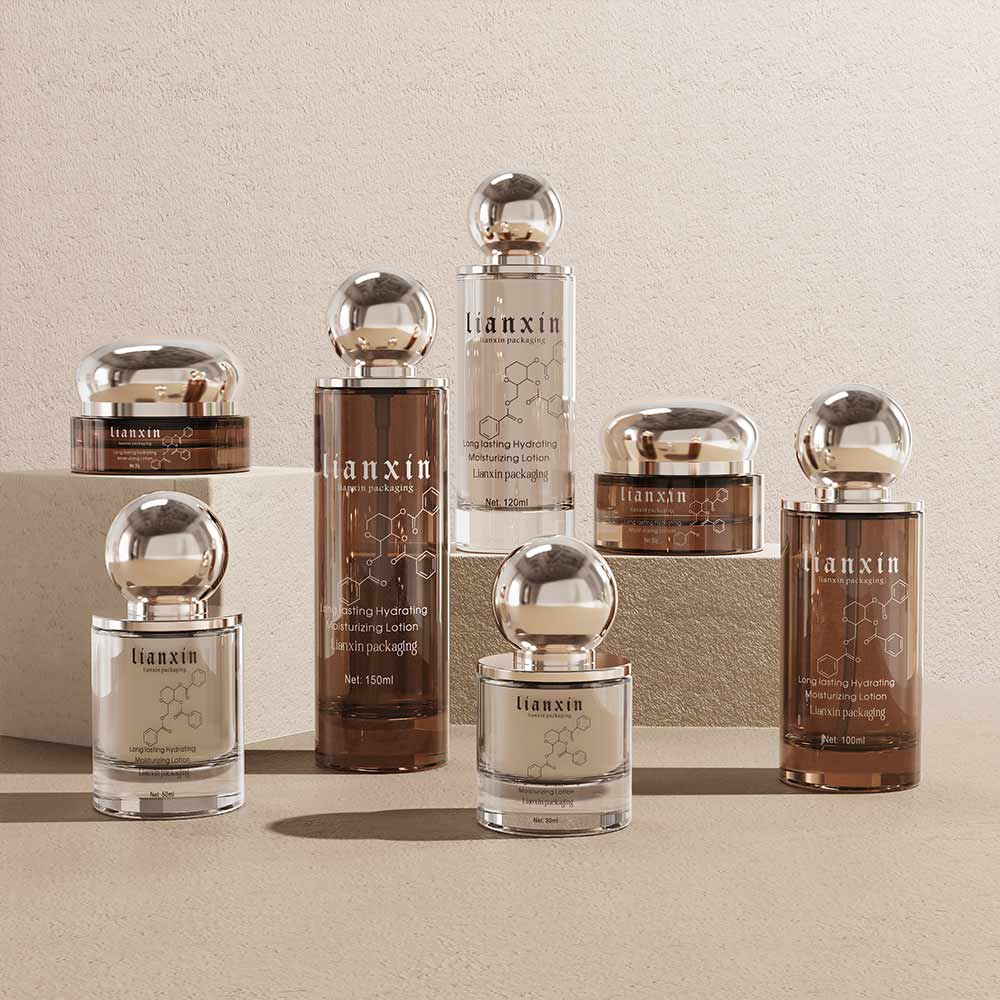
One caveat: pressurised aerosols and solvent-based nail products stored for years may still suit plastic or a lined container better. For everything else in the beauty aisle, glass is the lower-risk specification — see our custom glass perfume bottles, glass essential oil bottles and wholesale glass nail polish bottles.
Cost and MOQ: Glass vs Plastic Cosmetic Packaging Compared
The cost conversation is rarely abstract — it is about where the money sits. Three drivers decide it.
- Tooling. Existing stock moulds carry no tooling charge and keep entry volumes low. A proprietary shape needs a mould in either material, but injection moulds for plastic are cheaper and faster to cut than glass moulds, which must survive far higher forming temperatures.
- Decoration. This is where glass quietly earns its keep. A frosted glass finish or hot stamping and screen printing can carry the whole premium story, letting you skip secondary packaging. A plastic pack usually needs a carton, a label and good photography to reach the same impression.
- Freight. Glass weighs more, so ocean freight, courier costs and dimensional weight are higher. Per bottle this is small; across a container it is material — the most common reason brands revisit the glass vs plastic cosmetic packaging decision after a cost review.
MOQ follows tooling, not material. Stock-mould glass programmes allow a modest first run, while a custom mould raises the minimum because tooling and a dedicated production run must be amortised. Decoration adds a second MOQ layer: a print run has its own minimum, which rises with multi-colour or metallic finishing.
Lead time behaves the same way. Stock moulds and existing decoration plates move fastest; custom moulds add tooling lead time before a single bottle is produced. That is why experienced buyers lock the custom glass bottle development scope — size, neck finish, closure and finish — before committing to a launch date.
Is Glass or Plastic Better for Eco-Friendly Cosmetic Packaging?
Sustainability used to be a marketing angle. In 2026 the glass vs plastic cosmetic packaging choice is a compliance deadline, and the rules treat the two materials differently.
“The EU will bar several single-use cosmetic packages by January 2030, while California SB 54 orders a 25% reduction in virgin-plastic mass by 2032.” — Mordor Intelligence, Cosmetic Packaging Market Analysis
The EU’s Packaging and Packaging Waste Regulation (PPWR), effective February 2025, obliges recyclability and extended producer responsibility compliance across the category. Both rules push brands away from virgin plastic by default — which is why glass is compounding at 8.32% CAGR and why refill systems have moved from pilots to mainstream line extensions.
Plastic is not automatically the loser; the problem is disposal. Fortune Business Insights, citing the U.S. Environmental Protection Agency, reports that approximately 70% of the plastic waste generated by the cosmetics market is not recycled — driven by small formats, multi-layer structures and pigments that recyclers cannot process economically. Recycled PET and PCR resin close part of that gap, but supply volatility makes pricing unpredictable.
Glass has its own honest trade-off: it is heavier, so transport emissions per unit are higher, and its recycling rate depends on local collection infrastructure rather than the material itself. What glass offers is repeated recyclability without loss of quality — a glass bottle can be reprocessed into another glass bottle indefinitely. Mordor Intelligence notes that 78% of consumers favour additional refills when convenience matches the original, turning a refill programme into both a compliance answer and a repeat-purchase mechanism.
How to Choose the Right Cosmetic Packaging Material
Before requesting quotes, use this framework — it maps the glass vs plastic cosmetic packaging decision to the product, not to a preference.
| Your situation | Best material choice | Why |
|---|---|---|
| Premium serum, facial oil or fragrance | Glass | Inertness plus heft justifies a high retail price point |
| Natural or clean-beauty line | Amber or frosted glass | UV protection and a material-level recycling story with no additives |
| Mass-market body care, litre formats | Plastic or PCR plastic | Weight and unit cost dominate at that price point |
| D2C brand shipping single parcels | Glass + engineered transit pack | Keeps the premium look; dividers and drop-tested cartons control breakage |
| Very low first run, unproven SKU | Plastic first, glass on success | Lower tooling and MOQ until the SKU proves out |
| Selling into the EU or California | Glass with a refill option | Aligns with PPWR recyclability and SB 54 virgin-plastic reduction |
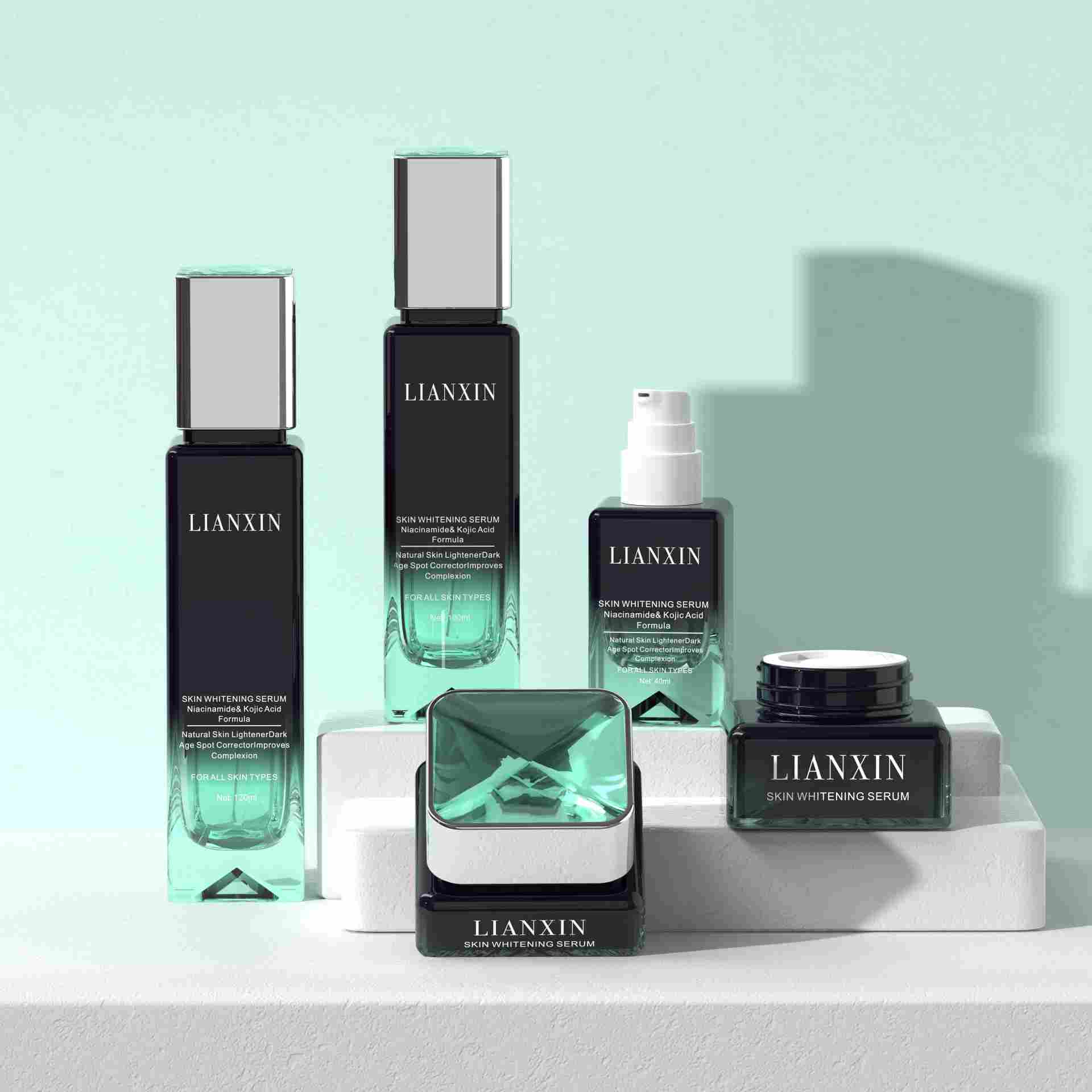
One sizing note affects material choice more than buyers expect: the 50–100 ml band is projected to hold 32.5% of the cosmetic packaging market in 2026 (Fortune Business Insights). That is where glass and plastic compete hardest — both are technically viable, so positioning decides.
FAQ: Glass vs Plastic Cosmetic Packaging
Is glass more expensive than plastic for cosmetics?
Per unit, yes — glass costs more in material and energy, and it weighs more to ship. But unit price is not landed cost. Once you account for the secondary packaging, labels and retouching that plastic needs to look premium, the gap narrows considerably.
What is the MOQ for custom glass bottles?
It depends on tooling. Stock-mould bottles allow the lowest entry volumes; a proprietary shape or new neck finish requires a mould and a correspondingly larger first production run, and decoration adds its own minimum on top. Our custom glass bottle MOQ guide breaks the thresholds down by project type.
Can glass cosmetic bottles survive e-commerce shipping?
Yes, with the right secondary pack. Breakage in parcel networks is a packaging-engineering problem, not a material flaw: cell dividers, correct void fill and a drop-tested carton solve it. Specify the transit pack at the same time as the bottle — see our glass bottle packaging for export guide.
Do glass and plastic bottles use the same caps?
Not always, because closures are defined by neck finish, not body material. An 18/415 or 24/410 neck can often be shared across both, which is why hybrid packs are so common. We cover the matching rules in our glass bottle neck finish guide.
The Bottom Line
The glass vs plastic cosmetic packaging decision is a positioning decision first and an engineering decision second. Glass wins on barrier performance, formula compatibility, decoration range and premium perception, and it aligns with PPWR and SB 54. Plastic wins on unit cost, freight weight and drop resistance for mass-market formats and unproven SKUs. Most brands that scale into glass end up hybrid: a glass body, an engineered closure, and a transit pack built for the channel they actually sell in.
If you are specifying a bottle now, send us your capacity, product type and target price point, and we will tell you honestly which material makes sense — including when the answer is not glass.
Sources: Fortune Business Insights — Cosmetic Packaging Market Report; Mordor Intelligence — Cosmetic Packaging Market Analysis.